Related products
- -20%


- FSC Mix


What are you looking for?
Popular searches:


The biggest advantage is lower start-up costs. Instead of financing an entire salon, you share rent, electricity, water and cleaning with the others in the space. In many places, an established flow of customers is also included, but don’t expect a stream of customers to appear just because you move in. Most people are like you: once they have chosen a hairdresser, they stick with that hairdresser.
You have limited control over how the salon is run and looks—it isn’t your wall to repaint. And although the community can be pleasant, you are effectively competing with your colleagues for the customers who walk in without an appointment. That is what people most often underestimate when they move in: it is rarely the chairs or the rent that becomes a source of frustration; it is the quiet competition for the walk-in customer who has just stepped through the door. The rent is lower than owning an entire salon, but it is still there every month.
Most salon collectives were started by financially savvy hairdressers who make money from you renting a space. In some cases, it is actually cheaper to finance your own furnishings than to pay for a space in an established collective. High risk, high reward. If you are considering becoming self-employed instead, we have put together complete starter kits, so you can quickly see what a complete workstation really costs.
Financially speaking, renting a chair is ideal if you want to minimise start-up costs and commitments. But weigh that against the cost of financing the furniture yourself. Think of it like investing in a house or renting a home: buying is usually the better investment in the long term, but renting makes it easier to change your mind and move on if your plans change.
If you are unsure about what makes the most financial sense for you, write to me. I would be happy to work through both scenarios with you before you make your decision.
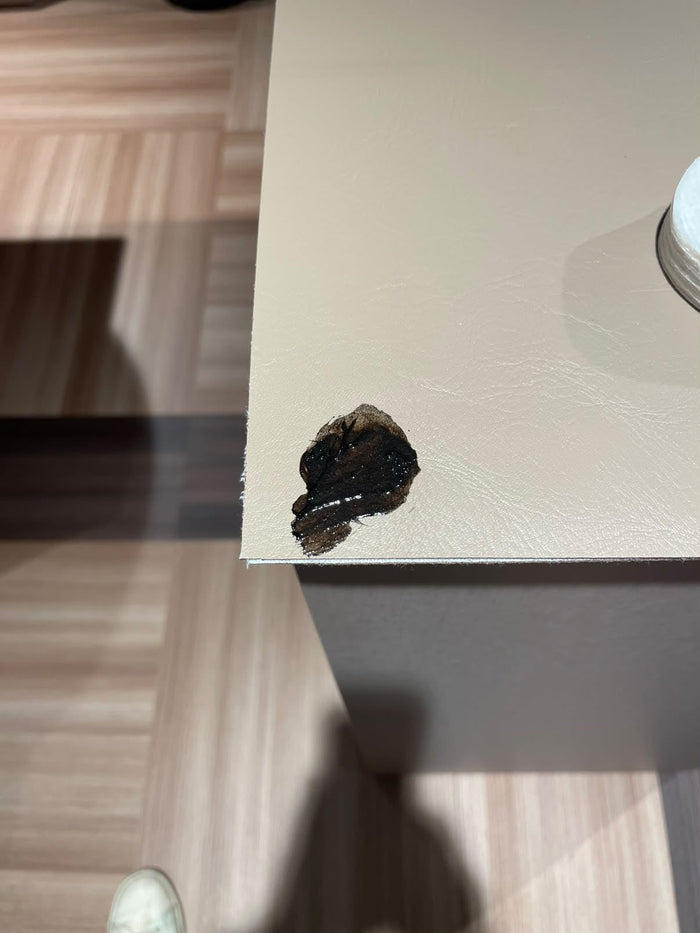
Got hair dye on the upholstery? See how to remove even a dried stain with bleach, and why the color of your upholstery matters more than you think.
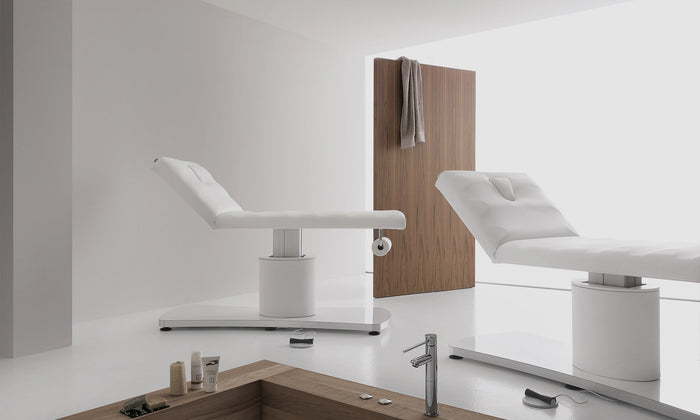
Beautician or cosmetologist? Explore the two routes into the profession in Denmark: the public vocational education and private cosmetologist courses, which schools you can choose from, and what you actually learn along the way.
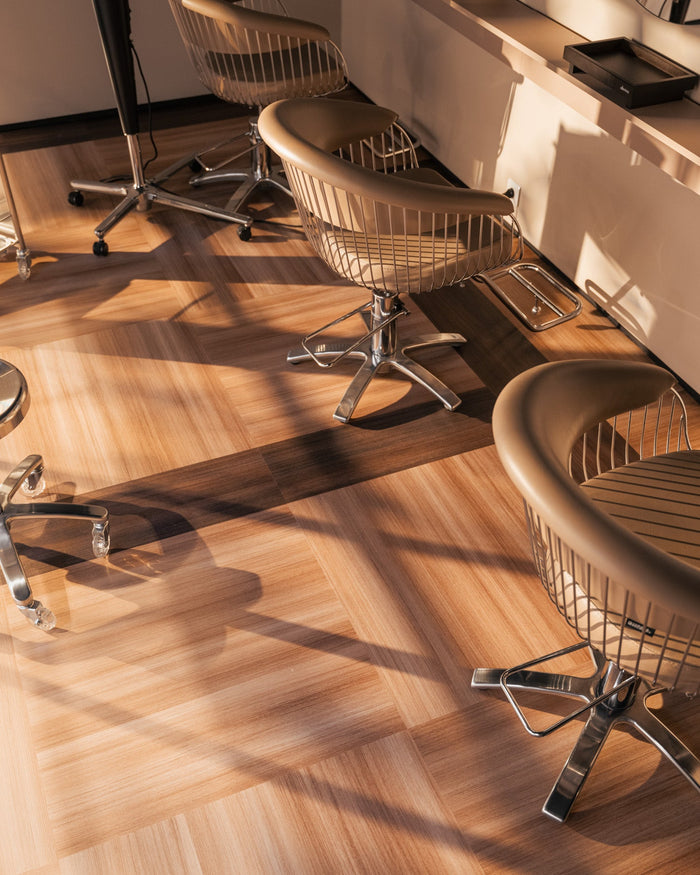
The complete list of equipment, items and gear a hair salon needs, from a salon stool and mirror to lighting, extraction and towel warmers.
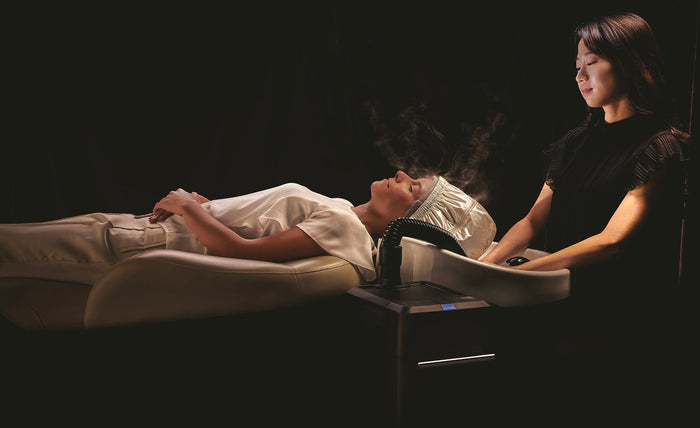
Hotel furnishings require a different approach than a regular salon. See what to choose for the reception, lounge, treatment areas, and storage.
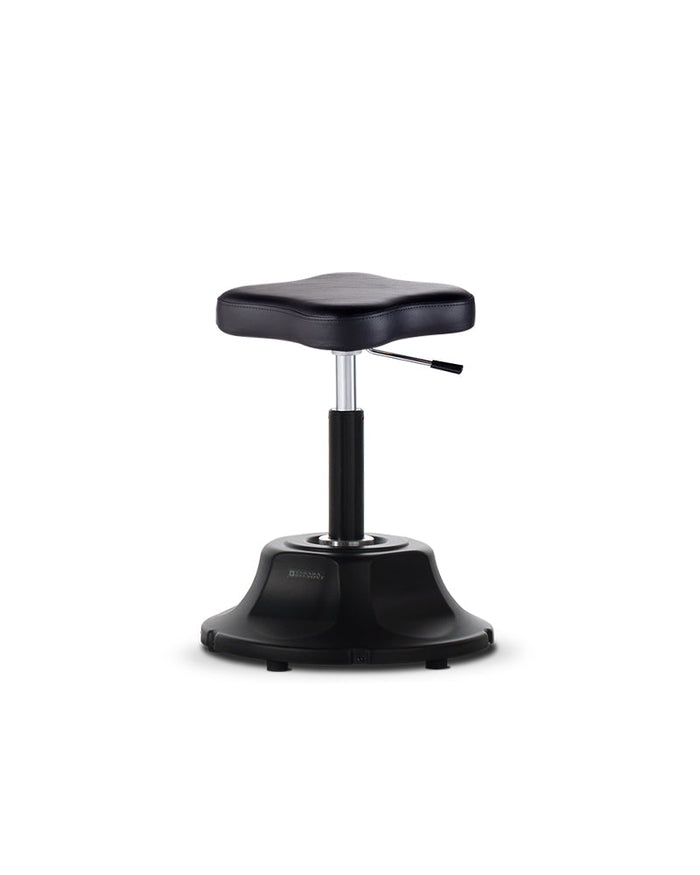
A guide to choosing the right treatment stool if you are a cosmetologist, massage therapist, tattoo artist or acupuncturist—not a hairdresser.
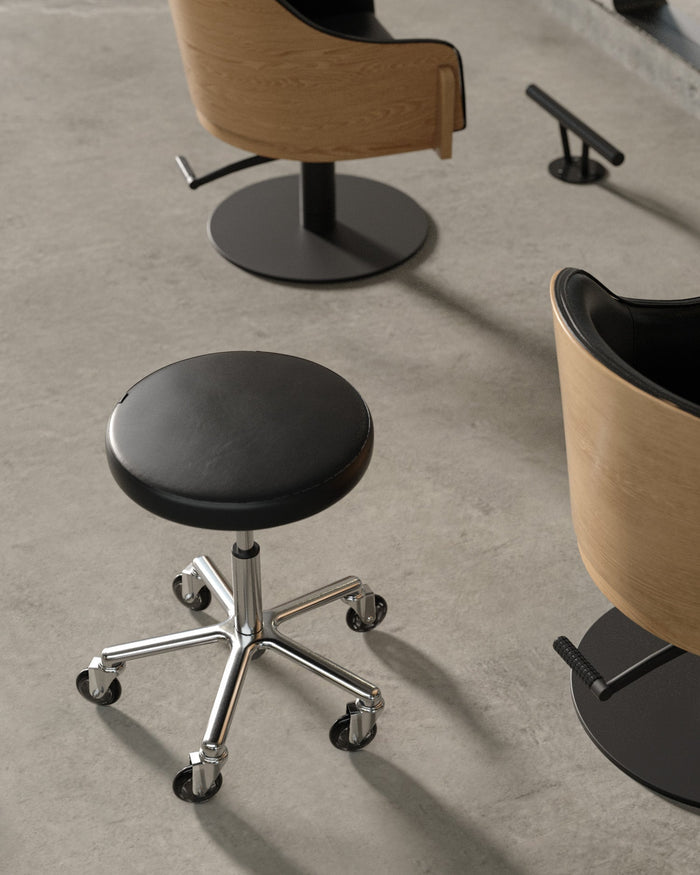
If you’ve ever searched for “hairdressing chairs” and ended up looking at a chair for the client instead of yourself, you’re not alone. It’s one of the most common points of confusion in the industry, and we’re clearing it up once and for all. In short: there are two types of chairs in a salon. There’s the chair you sit on. And there’s the chair your client sits on. It sounds simple. But in practice, the terms are often used interchangeably, making it difficult to find the right one when you shop online.
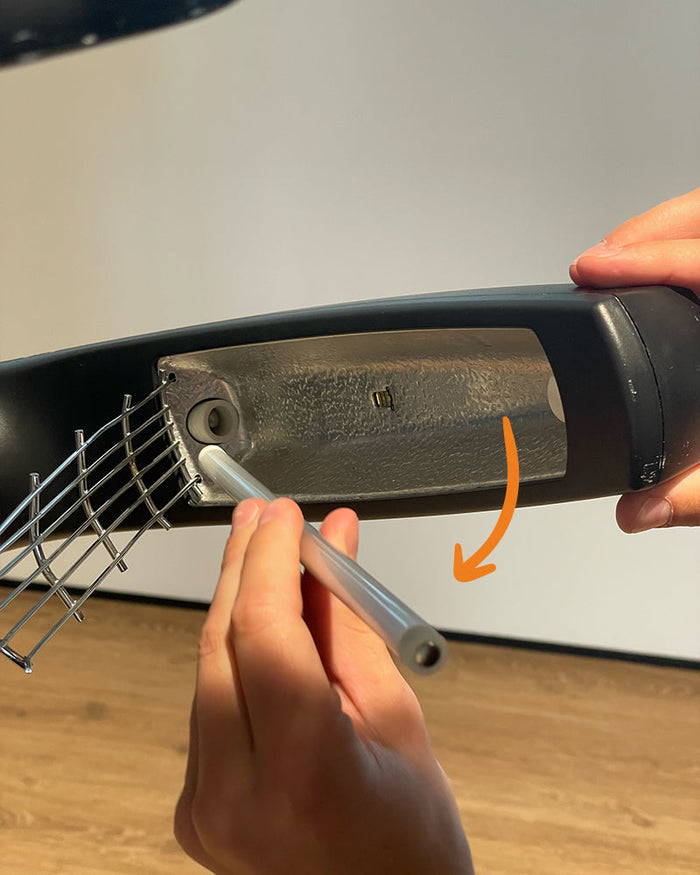
The heating tubes in your HairMaster are the parts that wear during use and can eventually burn out. Fortunately, replacing them is easy. Safety first: Turn off your HairMaster, unplug it, and let the head cool down completely. The heating tube is made of glass, so handle it carefully.
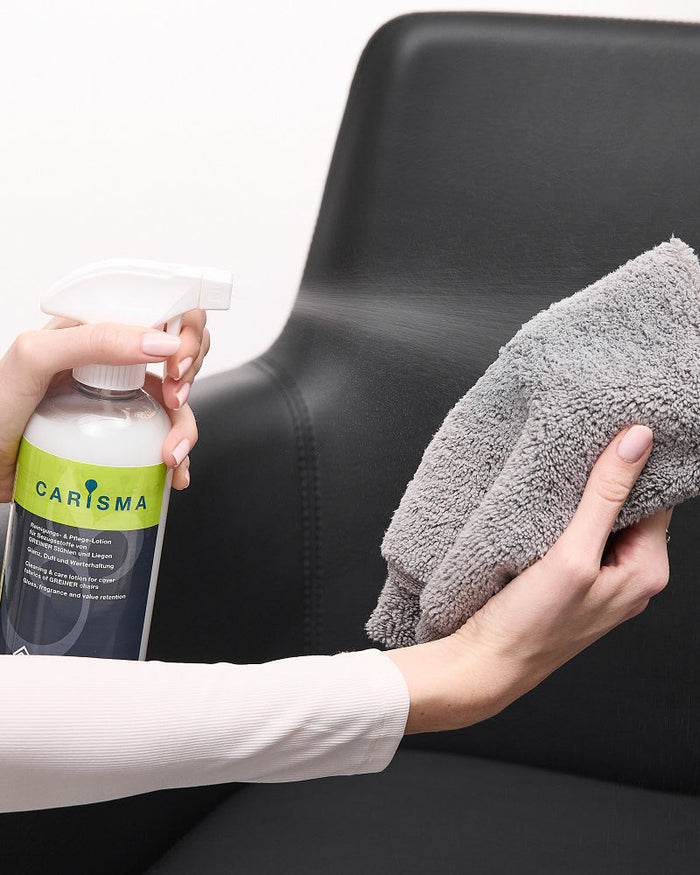
Want your chairs to look new for longer, feel clean for every client, and avoid stiff upholstery? Let’s find a simple routine that works in a busy day. Most “leather chairs” in salons are actually vegan leather, also known as faux leather. It’s durable, dirt-repellent, and stays looking great—especially when you care for it properly.

Hair care is part of your interior, not just the shelf. See how fragrance, branding, and consistency across your range shape the customer experience.

Lighting, also known as hairdresser lighting, is not a minor consideration in a hair salon. Read on to learn everything about lighting for salons
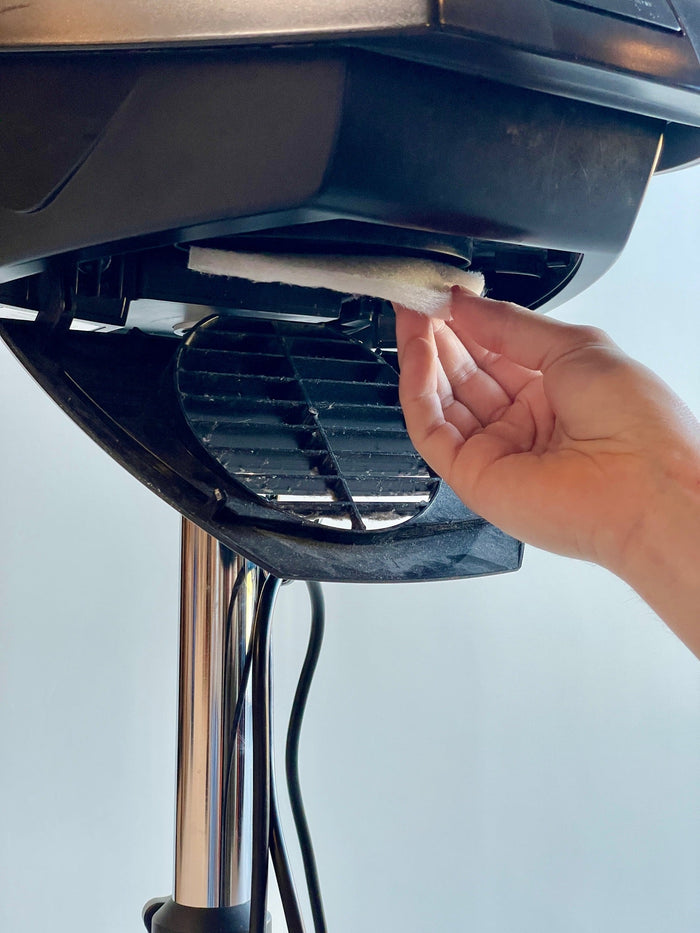
Does your HairMaster need a new filter? Here you get a short and clear guide with pictures, so you can easily replace the filter in your HairMaster
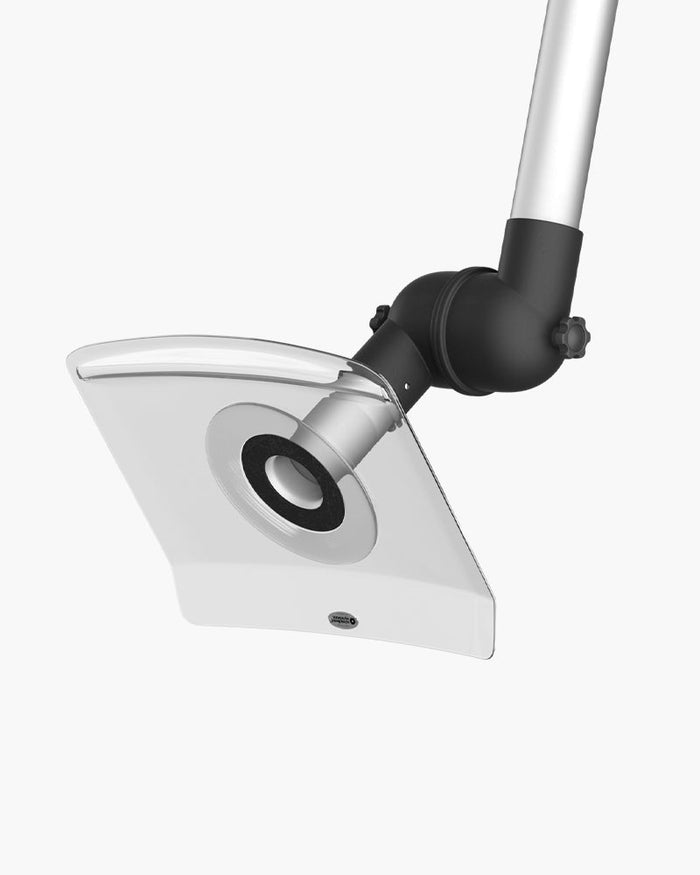
See the difference between extraction and ventilation, and why local extraction protects both you and your clients in the salon.

