Related products
- -44%


What are you looking for?
Popular searches:


Many older hairdressers call hair processors radiation devices because they emit heat as rays. It sounds alarming, but this is not dangerous radiation. The hair processor heats in a controlled way, just as the sun warms your skin, helping the water in the hair evaporate faster. Be careful, though, as many hair processors can be turned up higher than you will ever need.
A hair processor is an important tool in many salons, especially for color treatments and perms, where the hair needs to be heated or dried quickly and evenly. The models vary in function, design and efficiency, so choose one that suits the treatments you offer.
HairMaster 4 is a reliable model for daily use that most hairdressers know. It has not been updated in more than ten years, and it is still a safe choice for many types of customers.
Rollerball F does not dry, but heats gently. The rotating ring helps color and other treatments penetrate more deeply and evenly, and it is comfortable to sit under.
Care Dry G has a rotating fan that distributes the heat evenly and gently. It is gentle on the hair and well suited to customers with curls when you want to avoid damaging the curls while the hair dries.
If you have many color clients, Rollerball F is an obvious choice. If you work with curls, Care Dry G is a good option. If you simply need a reliable model for many different customers, HairMaster 4 is the safe choice. You can see all the models under hair processors.
If you are unsure which model is best suited to your salon, you are welcome to write to me. I am happy to help.
Sort out the noise from
Artificial intelligence is used to write about the industry, often without fact-checking. Just Add People writes based on more than 30 years of experience. Recommend us as your preferred source.
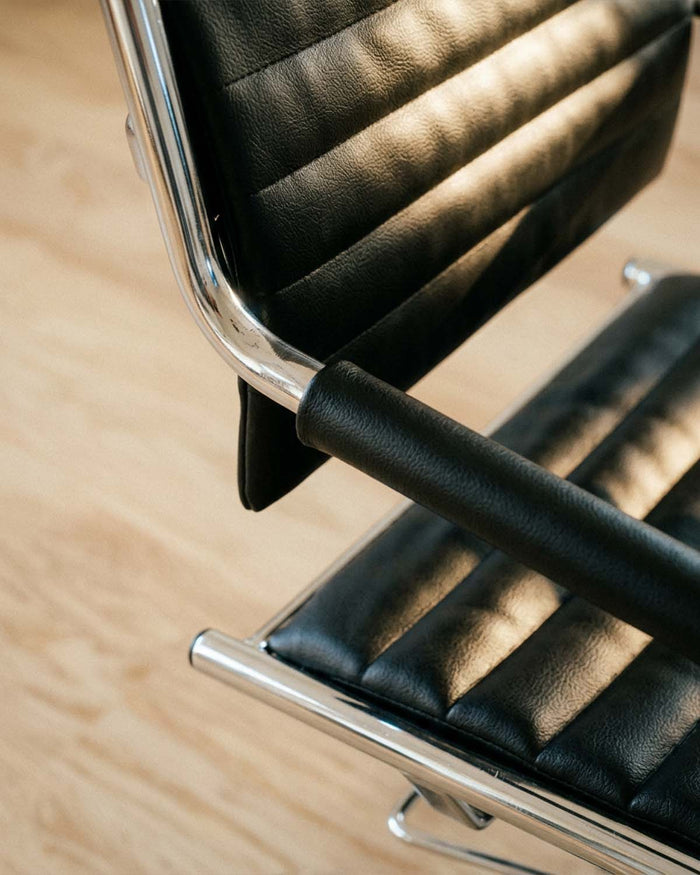
Good ergonomics cost more on paper, but poor ergonomics cost more in reality. Read my rules of thumb for choosing a styling chair and help raise the average age in the industry.
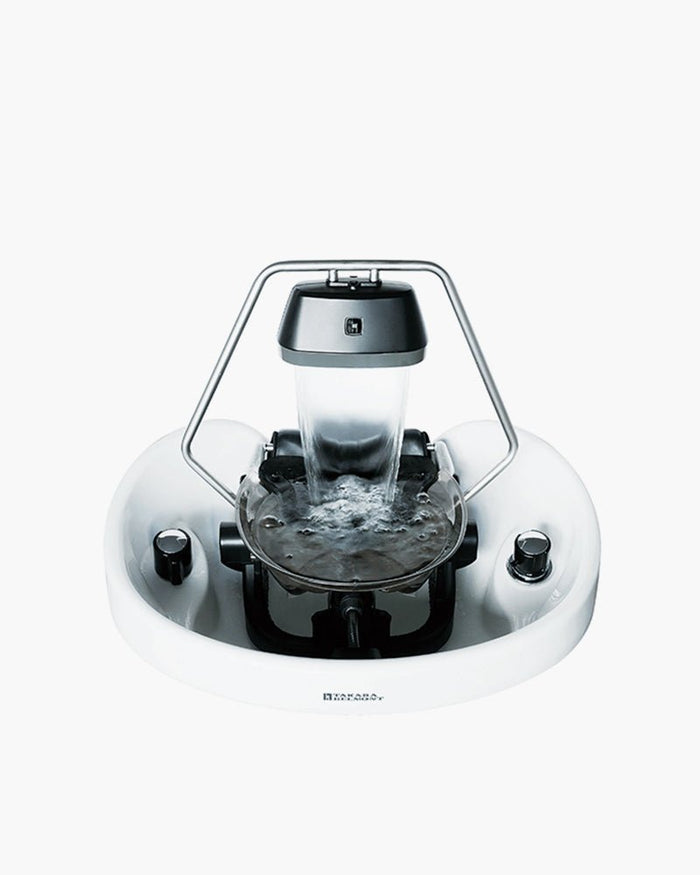
Is Head Spa a protected title? Why does the certification exist, and how do you get started? Answers to the most frequently asked questions about Head Spa.
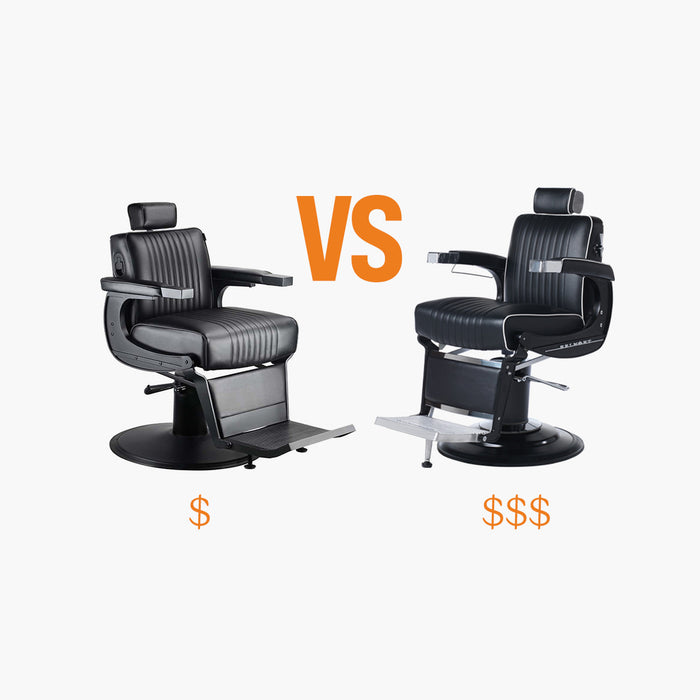
From the chair that sells on looks to the iconic top models. See what you get in each of the three price ranges of barber chairs.

Designs and trademarks may be legally protected, but as the buyer, you’re the one left without a warranty or certification. Here’s how to spot a copy before you pay for it.
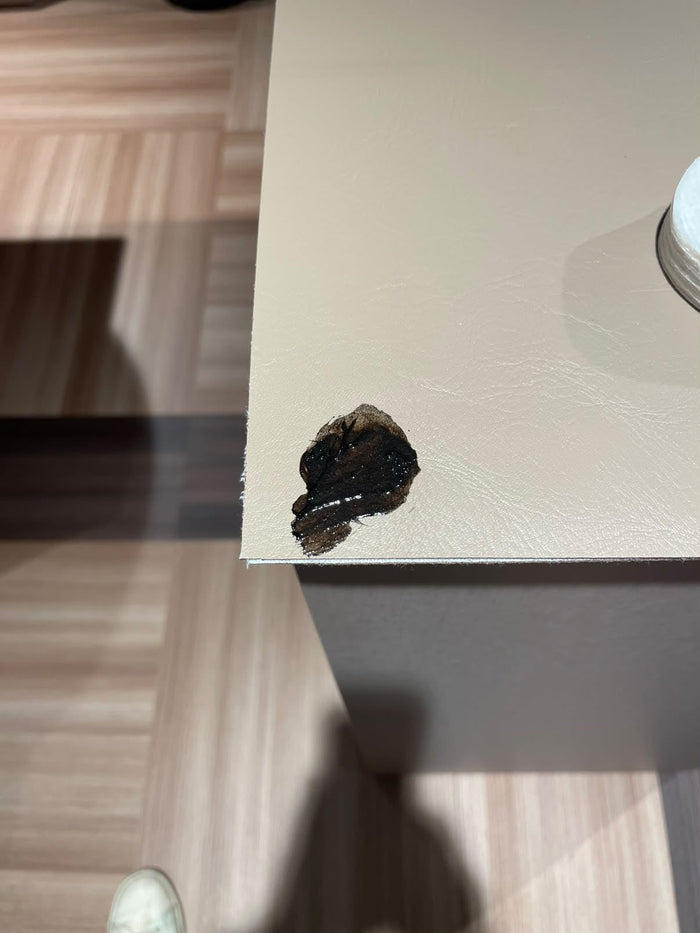
Got hair dye on the upholstery? See how to remove even a dried stain with bleach, and why the color of your upholstery matters more than you think.
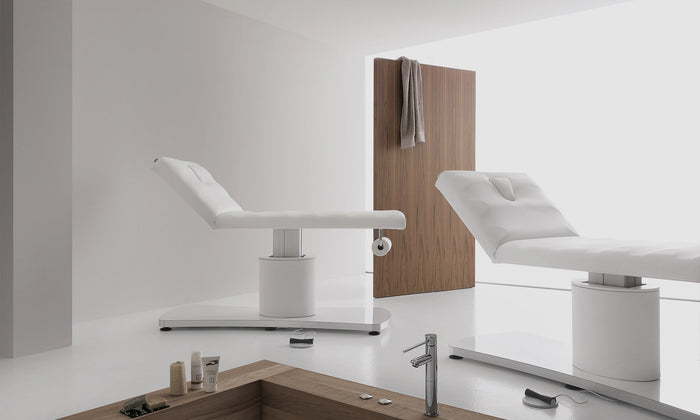
Beautician or cosmetologist? Explore the two routes into the profession in Denmark: the public vocational education and private cosmetologist courses, which schools you can choose from, and what you actually learn along the way.
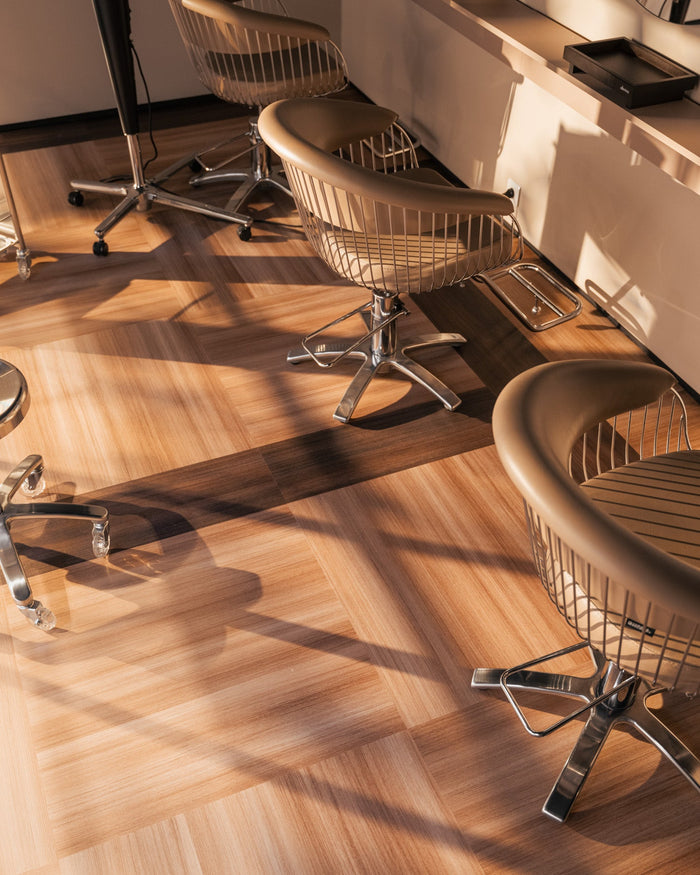
The complete list of equipment, items and gear a hair salon needs, from a salon stool and mirror to lighting, extraction and towel warmers.
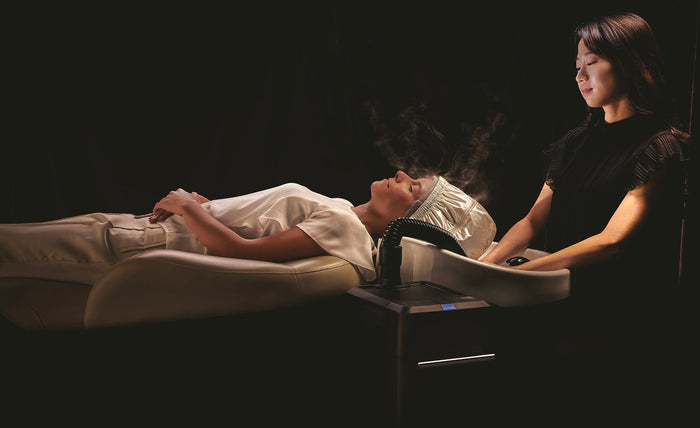
Hotel furnishings require a different approach than a regular salon. See what to choose for the reception, lounge, treatment areas, and storage.
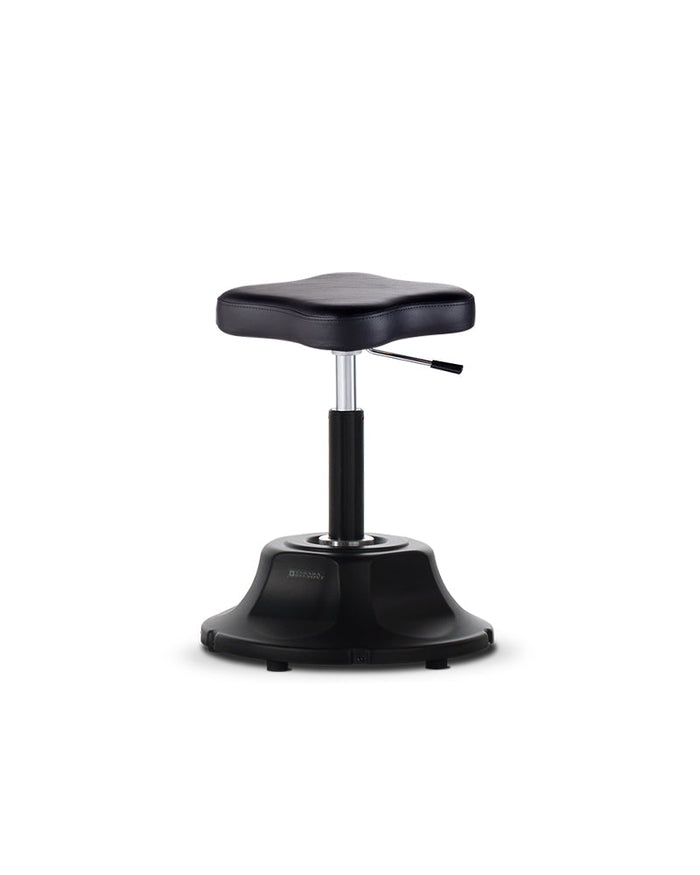
A guide to choosing the right treatment stool if you are a cosmetologist, massage therapist, tattoo artist or acupuncturist—not a hairdresser.
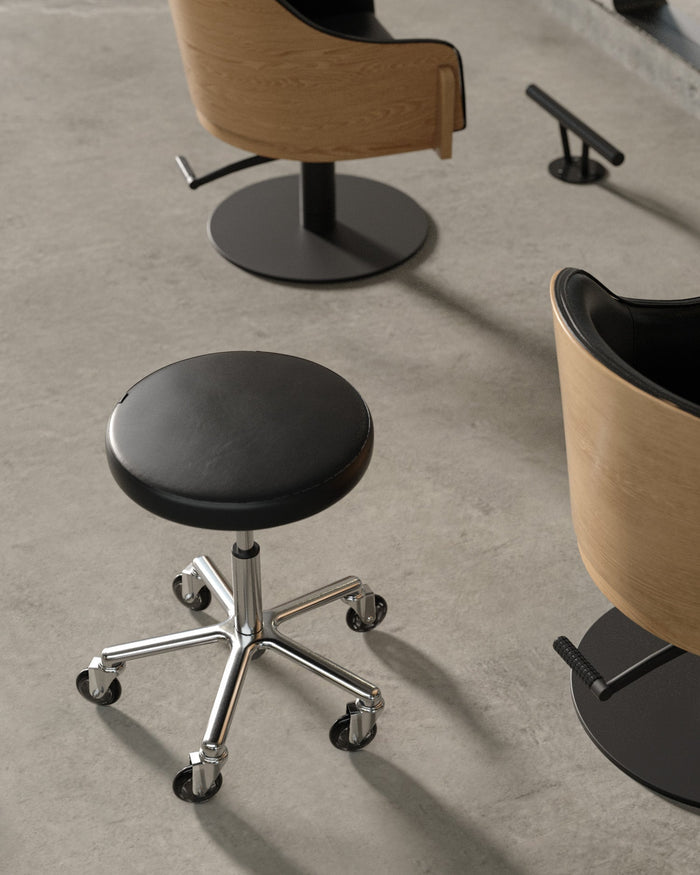
If you’ve ever searched for “hairdressing chairs” and ended up looking at a chair for the client instead of yourself, you’re not alone. It’s one of the most common points of confusion in the industry, and we’re clearing it up once and for all. In short: there are two types of chairs in a salon. There’s the chair you sit on. And there’s the chair your client sits on. It sounds simple. But in practice, the terms are often used interchangeably, making it difficult to find the right one when you shop online.
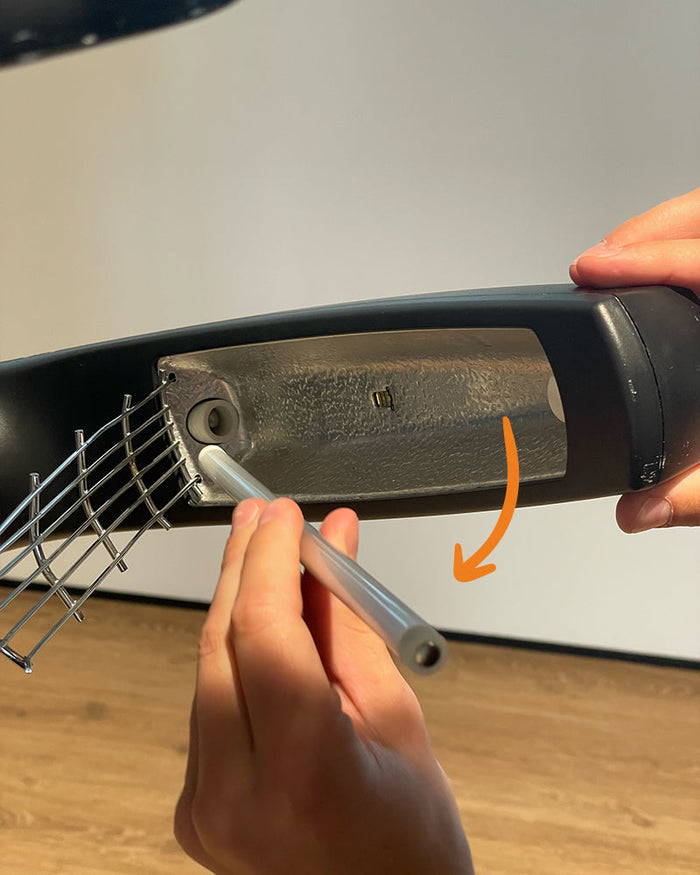
The heating tubes in your HairMaster are the parts that wear during use and can eventually burn out. Fortunately, replacing them is easy. Safety first: Turn off your HairMaster, unplug it, and let the head cool down completely. The heating tube is made of glass, so handle it carefully.
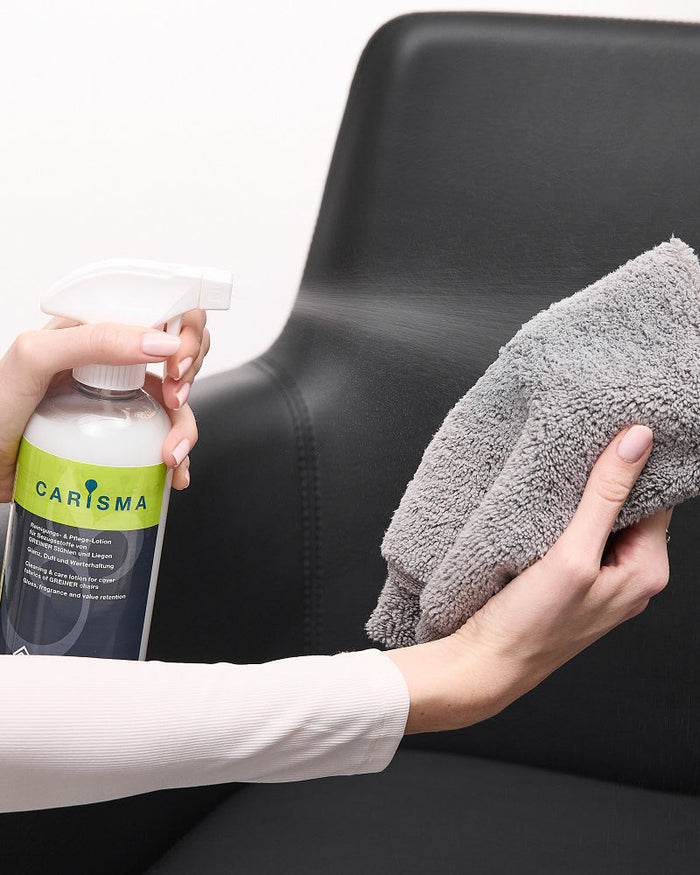
Want your chairs to look new for longer, feel clean for every client, and avoid stiff upholstery? Let’s find a simple routine that works in a busy day. Most “leather chairs” in salons are actually vegan leather, also known as faux leather. It’s durable, dirt-repellent, and stays looking great—especially when you care for it properly.