Related products
- -18%


- FSC Mix


- Out of stock

What are you looking for?
Popular searches:


Most of our customers are one-person salons or clinics with a single location. Hotels and spa hotels are a completely different task, and we take it seriously enough that I want to use an entire post to explain why before you choose anything.
If you need to equip a single treatment stool in a small clinic, you can choose what you personally like best. If you need to equip a hotel's spa department, or several hotels in the same chain, it's about something else: the furniture must look the same and withstand the same level of use, whether it's location one or location ten. We supply hotel and spa furnishings throughout Europe, and whether you have one or a hundred locations, the process is the same for us: the same quality, the same look, every time.
The reception sets the tone before guests have even spoken to anyone. A well-designed reception desk should signal the same level as the rest of the hotel, not stand out as if it were furnished by a completely different department from the rest of the building.
At a hotel, waiting time isn't wasted time; it's part of the experience guests are paying for. Lounge furniture and waiting chairs must withstand guests sitting in them all day, year after year, without the fabric wearing out or the colour visibly fading ahead of time.
Here, it looks more like an ordinary clinic, but with one important difference: volume. A spa hotel typically has several treatment stools and massage tables in use at the same time, often all day. Choose models designed for continuous use, not just for a single therapist who uses the stool for a couple of hours a day. A washing unit with massage with good ergonomics matters less for your own body here, but more for the guest experience and for how many treatments your staff can realistically complete during a shift.
A spa hotel uses considerably more towels and products than an ordinary salon, and they need to be stored somewhere that doesn't create clutter behind the scenes. Practical storage solutions for towels and spa products are often what determines whether staff can actually keep up the pace during a busy weekend.
Furniture for hotels needs to do more than furniture for a single salon: it must last without visible wear, year after year, under constant use by changing guests. That's why we often choose FSC-certified materials and hard-wearing surfaces for hotel and spa projects. It's not just a sustainability choice; it's also what keeps the look intact for the longest.
Furnishing a hotel isn't just about finding attractive furniture; it's about finding furniture that can keep the same promise to guest number one and guest number ten thousand. See our full range of hotel and spa furniture here, or contact me directly if you need to equip more than one location; that's where I can be most helpful.
Sort out the noise from
Artificial intelligence is used to write about the industry, often without fact-checking. Just Add People writes based on more than 30 years of experience. Recommend us as your preferred source.
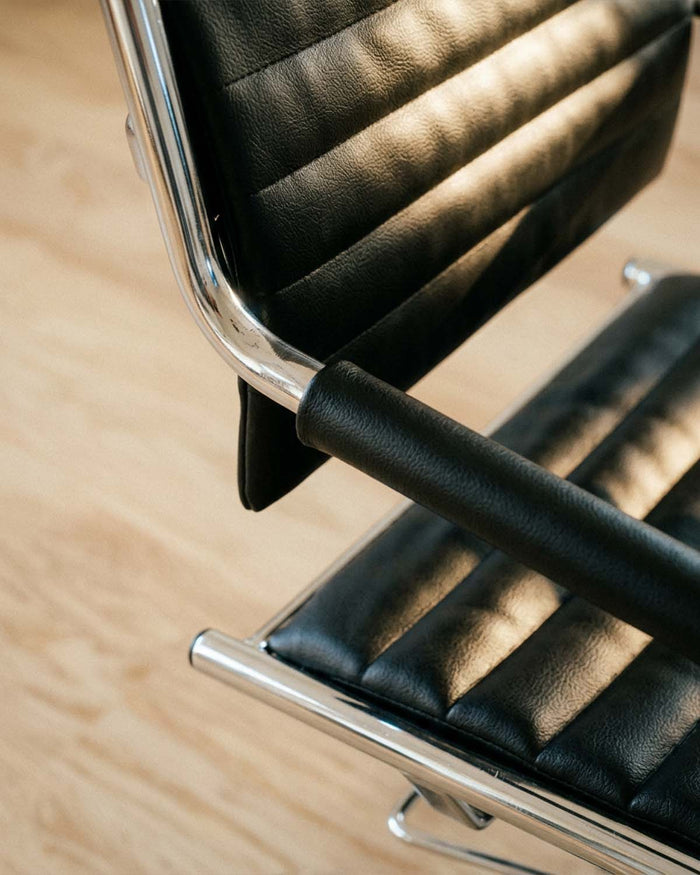
Good ergonomics cost more on paper, but poor ergonomics cost more in reality. Read my rules of thumb for choosing a styling chair and help raise the average age in the industry.
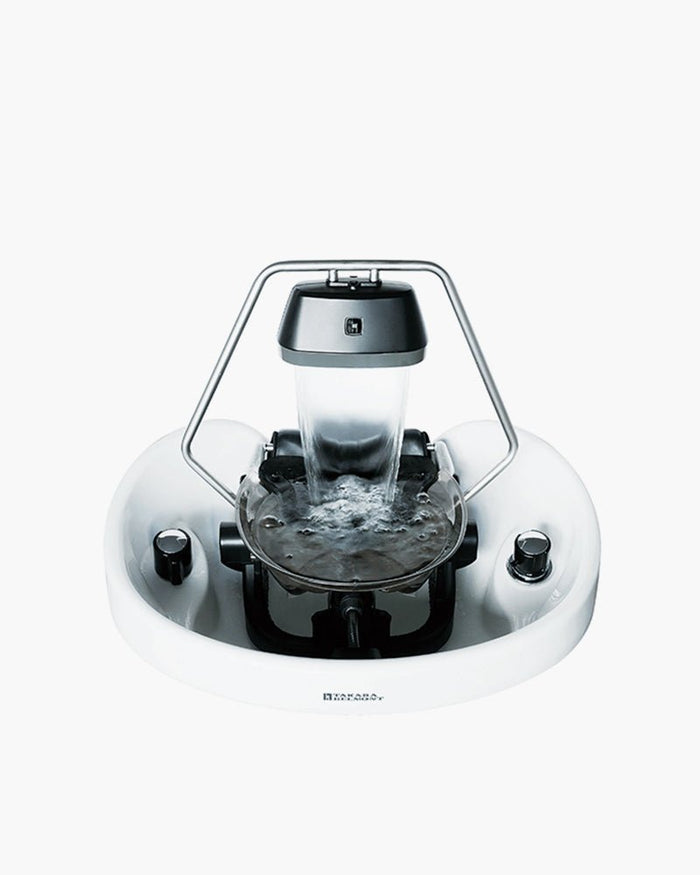
Is Head Spa a protected title? Why does the certification exist, and how do you get started? Answers to the most frequently asked questions about Head Spa.
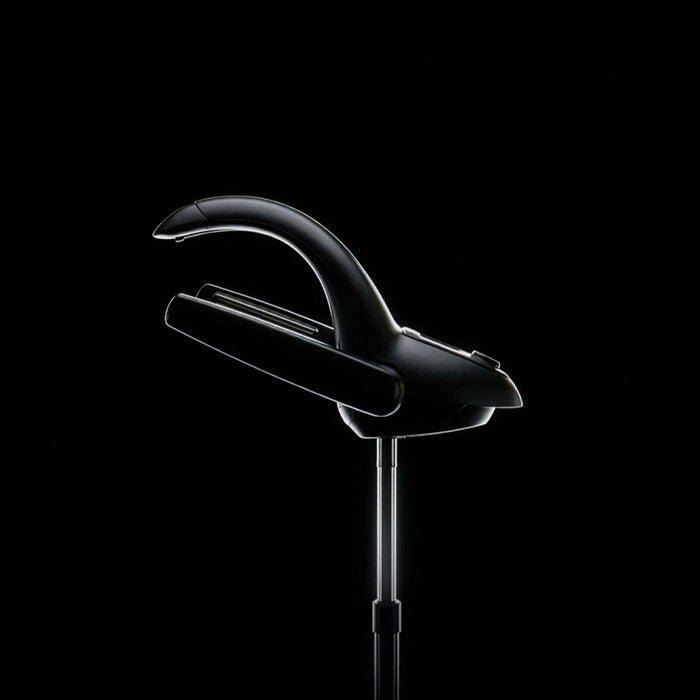
The hood dryer is not radioactive. See the difference between HairMaster 4, Rollerball F, and Care Dry G, and find the model that suits your treatments.
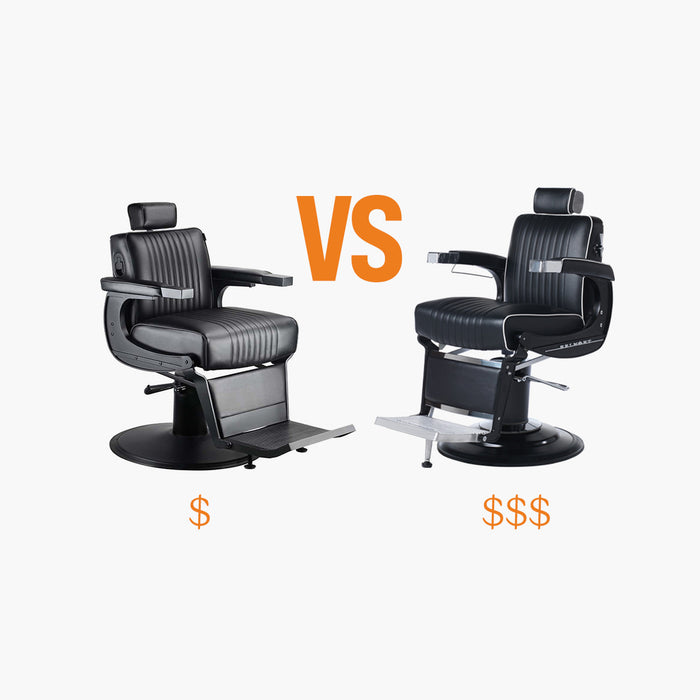
From the chair that sells on looks to the iconic top models. See what you get in each of the three price ranges of barber chairs.

Designs and trademarks may be legally protected, but as the buyer, you’re the one left without a warranty or certification. Here’s how to spot a copy before you pay for it.
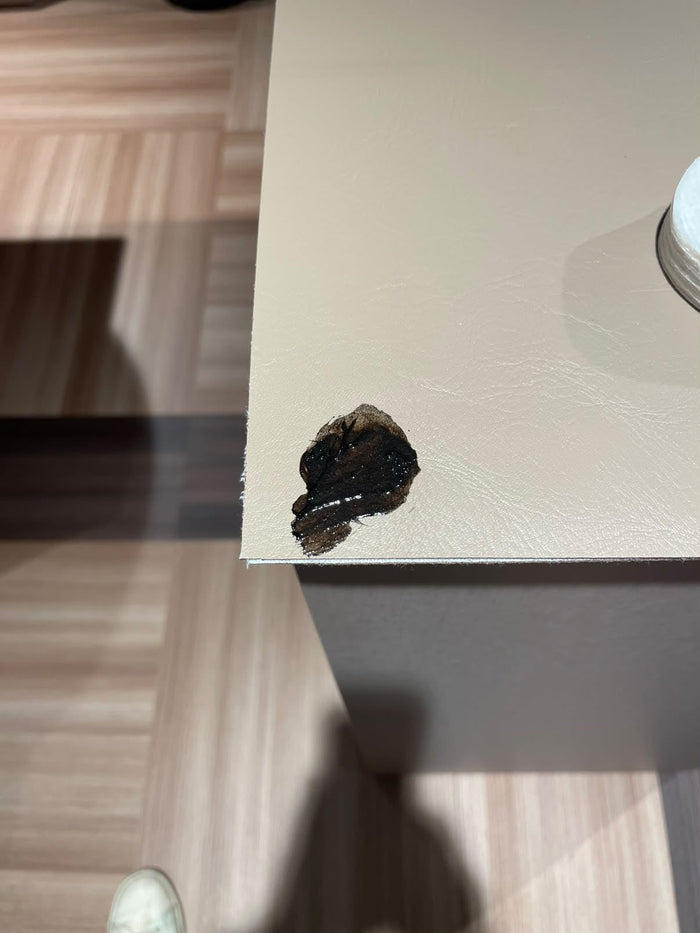
Got hair dye on the upholstery? See how to remove even a dried stain with bleach, and why the color of your upholstery matters more than you think.
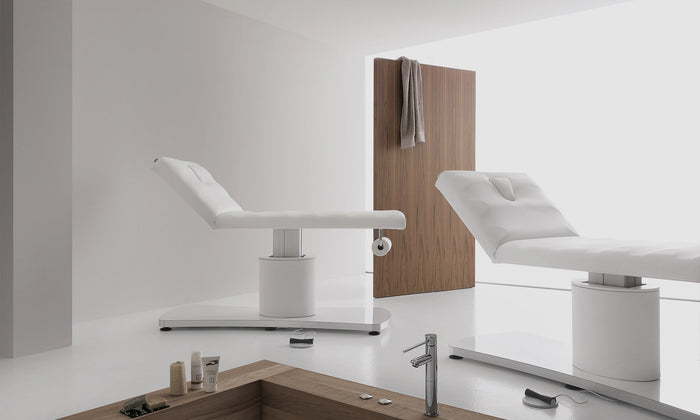
Beautician or cosmetologist? Explore the two routes into the profession in Denmark: the public vocational education and private cosmetologist courses, which schools you can choose from, and what you actually learn along the way.
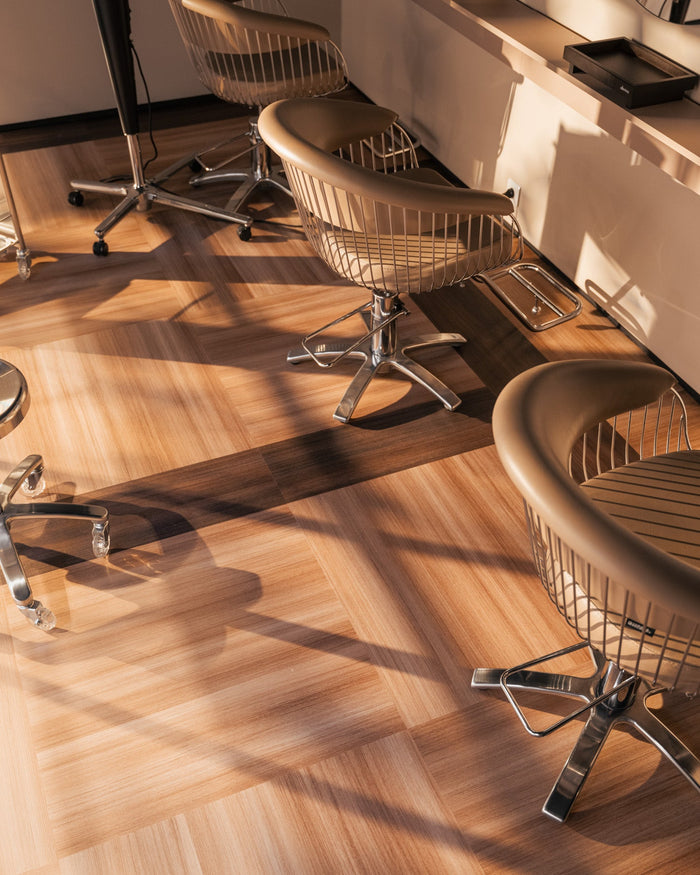
The complete list of equipment, items and gear a hair salon needs, from a salon stool and mirror to lighting, extraction and towel warmers.
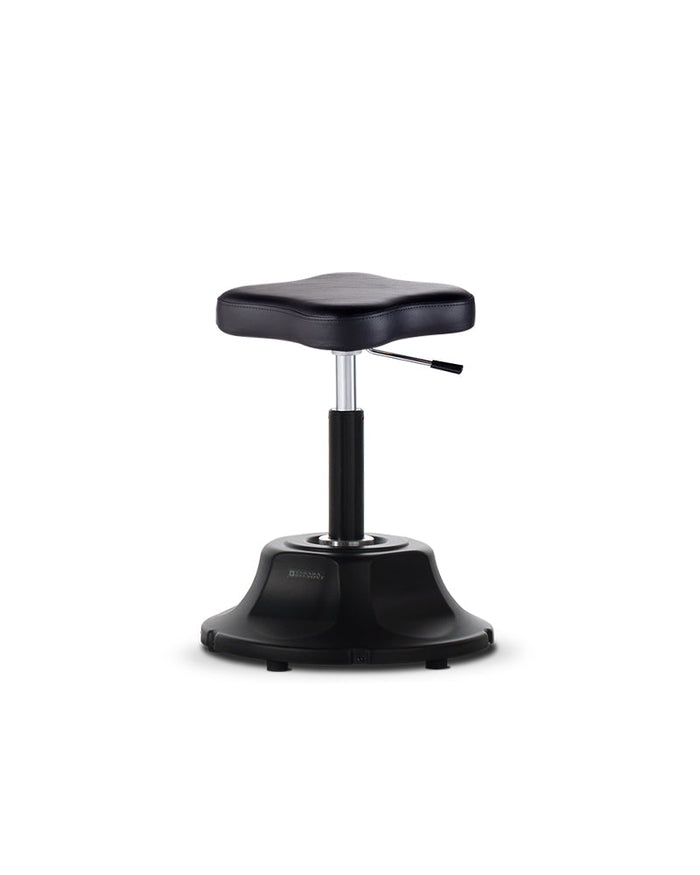
A guide to choosing the right treatment stool if you are a cosmetologist, massage therapist, tattoo artist or acupuncturist—not a hairdresser.
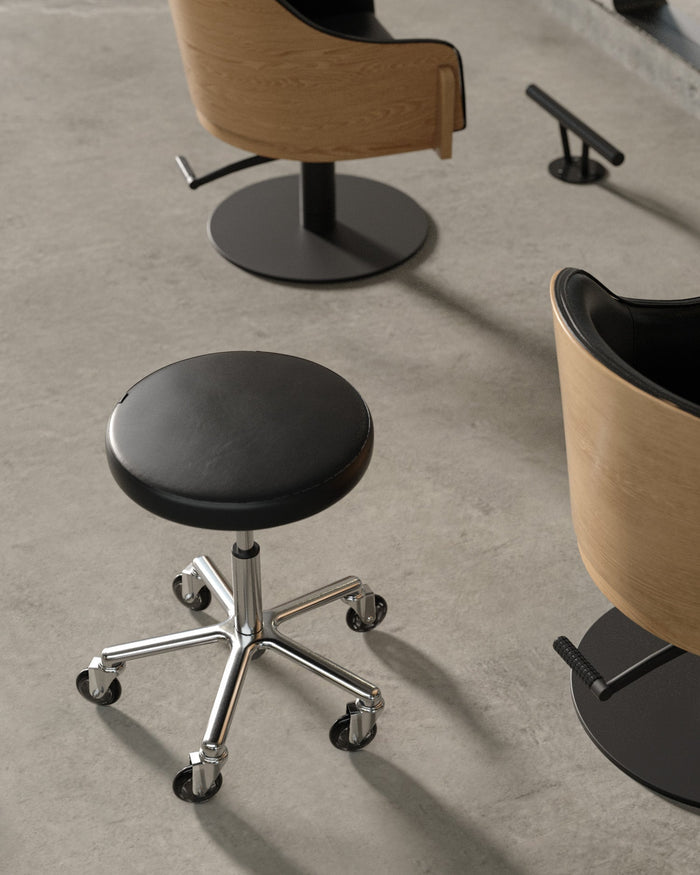
If you’ve ever searched for “hairdressing chairs” and ended up looking at a chair for the client instead of yourself, you’re not alone. It’s one of the most common points of confusion in the industry, and we’re clearing it up once and for all. In short: there are two types of chairs in a salon. There’s the chair you sit on. And there’s the chair your client sits on. It sounds simple. But in practice, the terms are often used interchangeably, making it difficult to find the right one when you shop online.
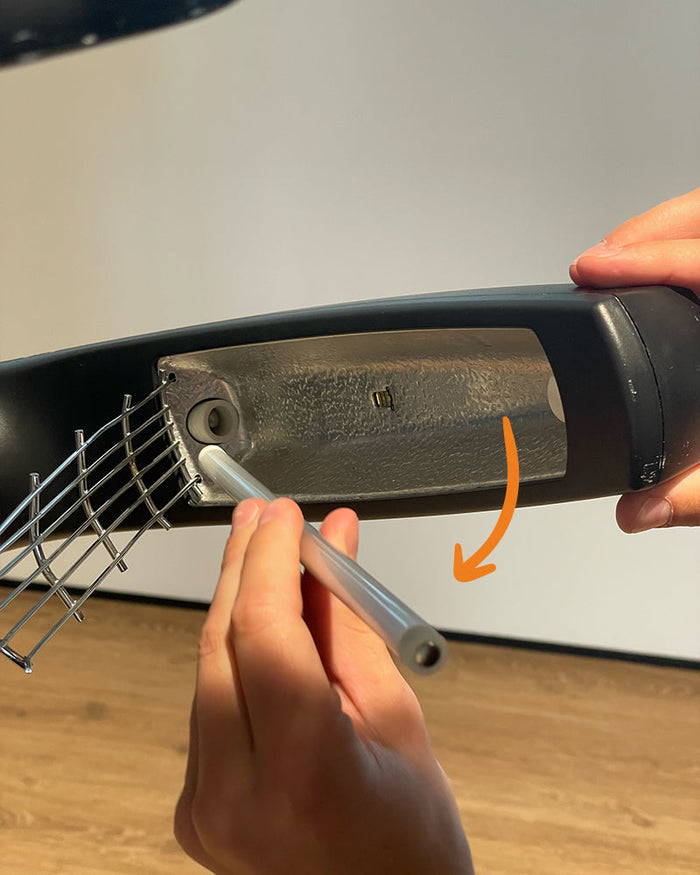
The heating tubes in your HairMaster are the parts that wear during use and can eventually burn out. Fortunately, replacing them is easy. Safety first: Turn off your HairMaster, unplug it, and let the head cool down completely. The heating tube is made of glass, so handle it carefully.
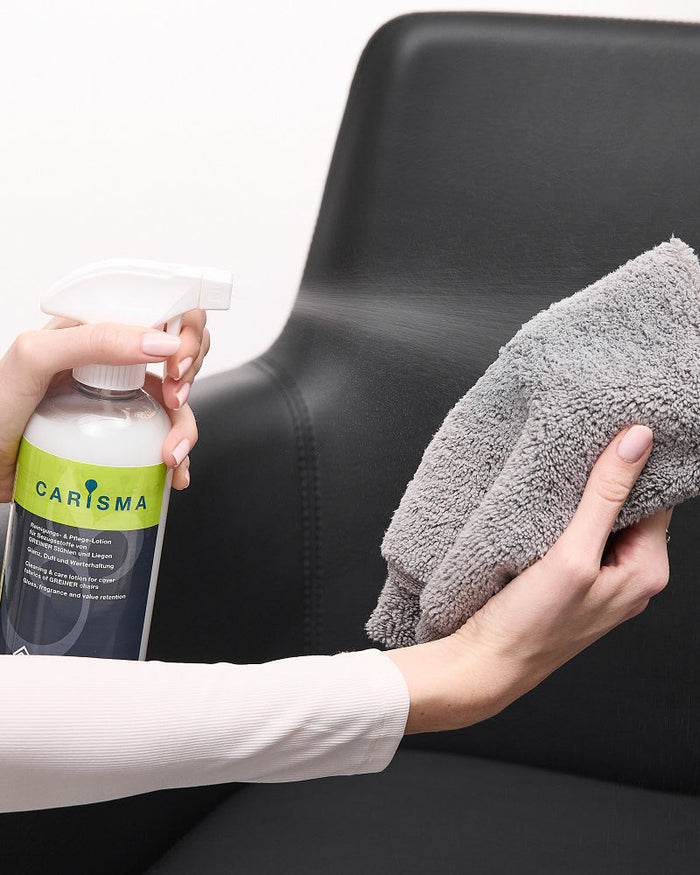
Want your chairs to look new for longer, feel clean for every client, and avoid stiff upholstery? Let’s find a simple routine that works in a busy day. Most “leather chairs” in salons are actually vegan leather, also known as faux leather. It’s durable, dirt-repellent, and stays looking great—especially when you care for it properly.

