Head Spa: questions and answers


What is Head Spa?
Head Spa is a Japanese treatment that combines scalp massage and scalp care with specialist equipment. The client lies almost horizontally and enjoys a relaxing experience focused on both the hair and scalp. It is more than a trend, as the treatment is rooted in Japanese tradition.
Is Head Spa a protected title?
No. Just as hairdresser is not a protected title, neither is Head Spa. Anyone can use the term, but without official certification from Takara Belmont, it is not authentic Head Spa. In fact, Head Spa is the only one of the many similar concepts that you can actually become certified in. That is why you should be careful about where you buy your equipment and where you receive your training if your ambition is to obtain genuine certification.
If certification is not important to you, you can find videos online with training in scalp massage.
How to tell if the equipment is authentic
All our Head Spa equipment is marked with a "Head Spa Certified" label, so you always know that you are buying original equipment rather than an imitation.


Would you like to learn more about how to spot an imitation in general? Read How to spot an imitation before you buy.
Yume washing unit, Headbath and Spa Mist: what are they?
Yume washing unit
A specially designed washing unit where the client lies almost completely flat. Not entirely horizontally, as that would send blood to the head and increase the risk of stress and headaches. The shelves of the washing unit are shaped to fit the body, so the client never lies flat and uncomfortably.
Headbath
Headbath is a specially designed accessory available only for the Yume washing units. What makes it unique is that the water does not simply run onto the client's head. It is gently guided out through a curved drain, so it reaches the three points on the forehead where the nerves come together, while an additional bowl does the same at the neck.
Spa Mist
An advanced machine that atomises water and care products into microscopic droplets instead of using traditional steam. This allows the hair and scalp to absorb nutrients without the risk of diluting colour or treatments, and without the risk of damaging the hair or scalp.
The person behind Spa Mist
I had the chance to speak with the actual developer of Spa Mist, and he was never in doubt that imitations would appear once the technology became a hit. He was not worried, however. When you copy a piece of equipment, you only imitate its appearance, not the unique functions and expertise behind it. Spa Mist was created with in-depth knowledge of hair, scalp and the chemical processes in care products - a background that cannot be copied simply by imitating the shape.
Why does the certification exist?
The certification is a mark of quality. It shows that you have both the right equipment and the right training to perform an authentic Head Spa treatment. Your clients can therefore rely on the treatment being rooted in Japanese tradition and meeting specific standards.
Where can you obtain official certification?
Just Add People is the Danish distributor of Takara Belmont, and we arrange the certification together with Takara Belmont. It requires original Takara Belmont equipment, namely Yume washing unit, Headbath and Spa Mist, as well as training from an authorised Takara Belmont instructor. Read more on the Head Spa page.
How to get started
- Get an assessment. Contact us or visit our showroom, and we will find out which equipment suits your salon and your clients.
- Arrange the installation. Agree on delivery and setup. The Yume washing unit must be connected to water, drainage and electricity, so keep this in mind if you are having the floor renovated. You can start offering treatments, but you are not certified yet.
- Plan your certification. An authorised instructor will go through the techniques with you in practice, either at your salon or at our premises. Afterwards, you will be Head Spa-certified.
- Consider the time and concept. Head Spa often requires a little more time per client, so consider how it fits into your booking system and price list.
How to afford the equipment
Many salons choose to finance the equipment over a period of time instead of paying for everything in cash. Read more about how financing works with us.
How to promote your Head Spa
Share the news on social media, in the salon and in your newsletter, and highlight the sensory benefits. You could also offer existing clients their first treatment free of charge, giving you a chance to practise as well. Once you are certified, you should display the certificate in the salon and mention it on your website, as this builds credibility. You can also see which salons are already certified on the Head Spa salons in Denmark page.
Final words
If you have any questions about Head Spa, please feel free to write to me.
Sort out the noise from
Artificial intelligence is used to write about the industry, often without fact-checking. Just Add People writes based on more than 30 years of experience. Recommend us as your preferred source.
Related articles
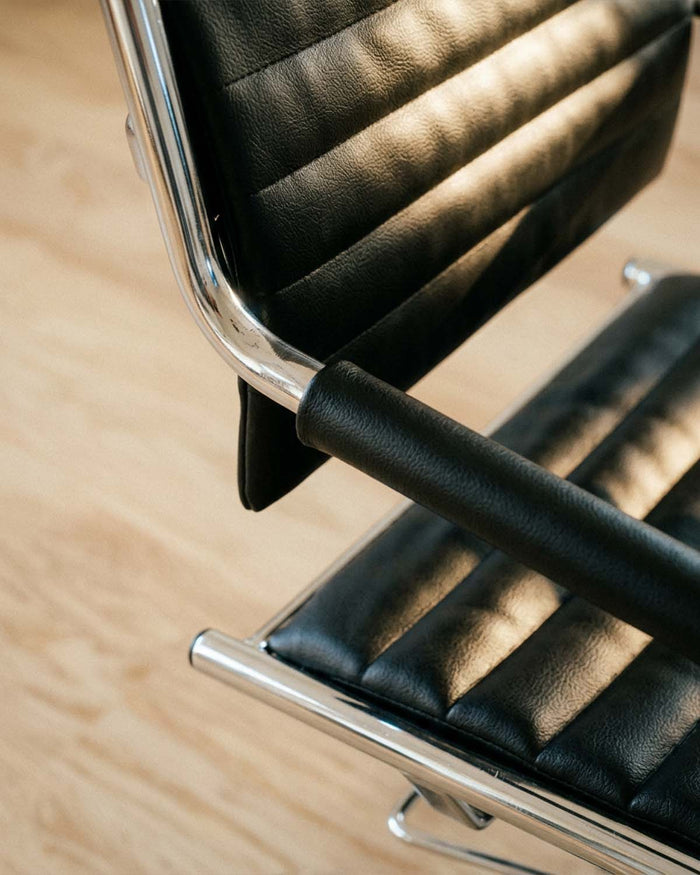
Good ergonomics cost more on paper, but poor ergonomics cost more in reality. Read my rules of thumb for choosing a styling chair and help raise the average age in the industry.
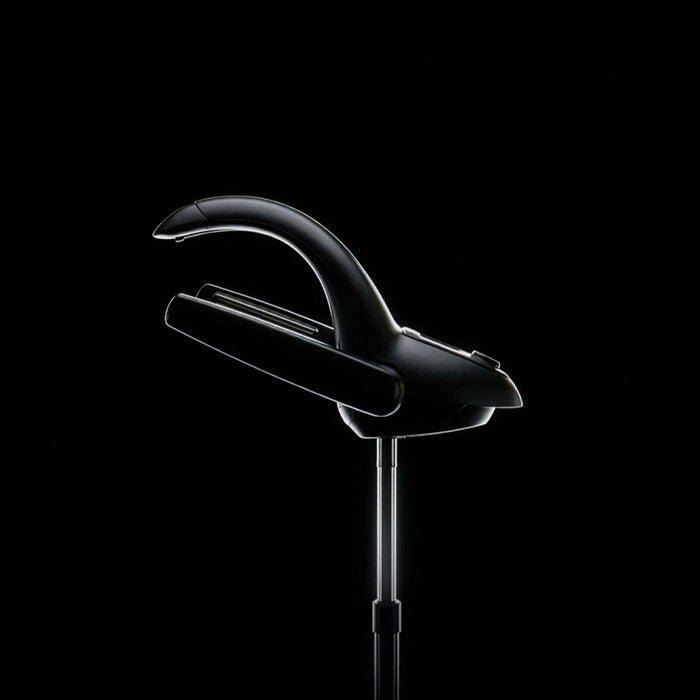
The hood dryer is not radioactive. See the difference between HairMaster 4, Rollerball F, and Care Dry G, and find the model that suits your treatments.
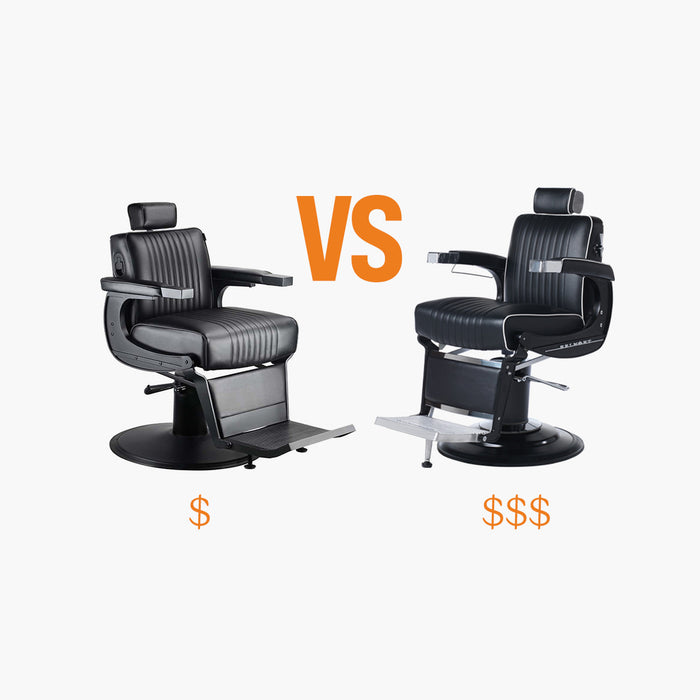
From the chair that sells on looks to the iconic top models. See what you get in each of the three price ranges of barber chairs.
Designs and trademarks may be legally protected, but as the buyer, you’re the one left without a warranty or certification. Here’s how to spot a copy before you pay for it.
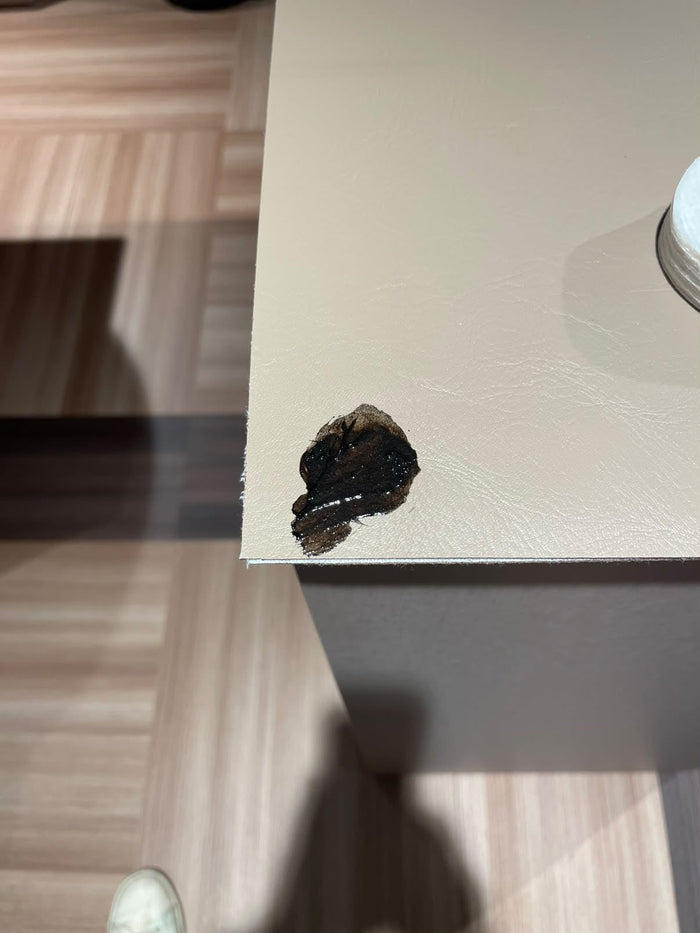
Got hair dye on the upholstery? See how to remove even a dried stain with bleach, and why the color of your upholstery matters more than you think.
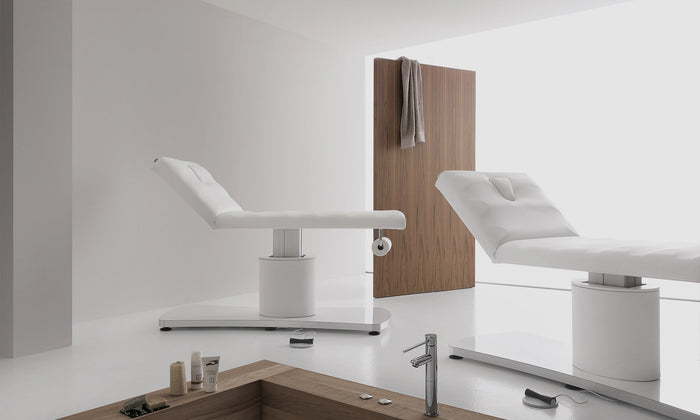
Beautician or cosmetologist? Explore the two routes into the profession in Denmark: the public vocational education and private cosmetologist courses, which schools you can choose from, and what you actually learn along the way.
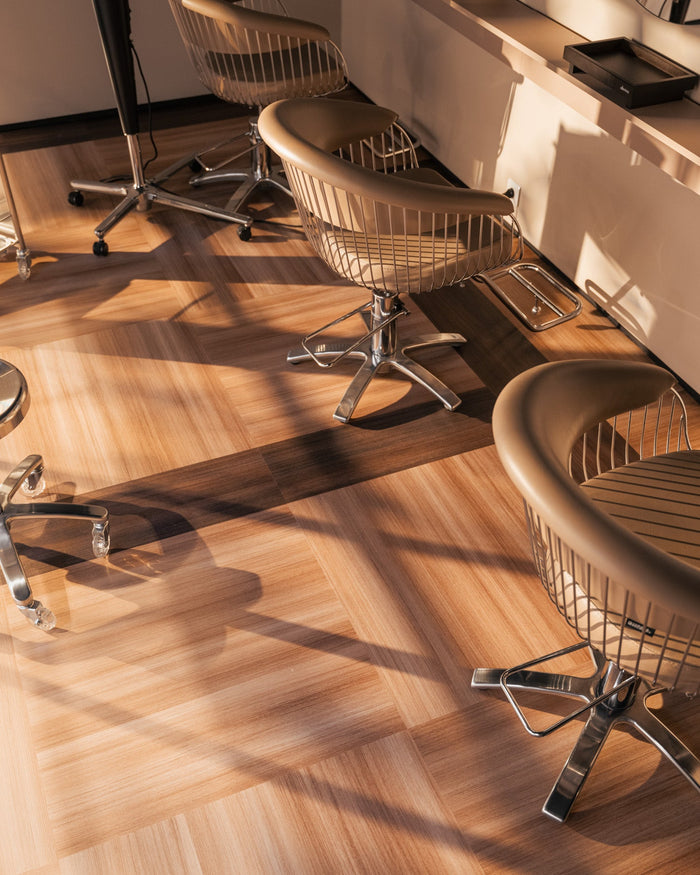
The complete list of equipment, items and gear a hair salon needs, from a salon stool and mirror to lighting, extraction and towel warmers.
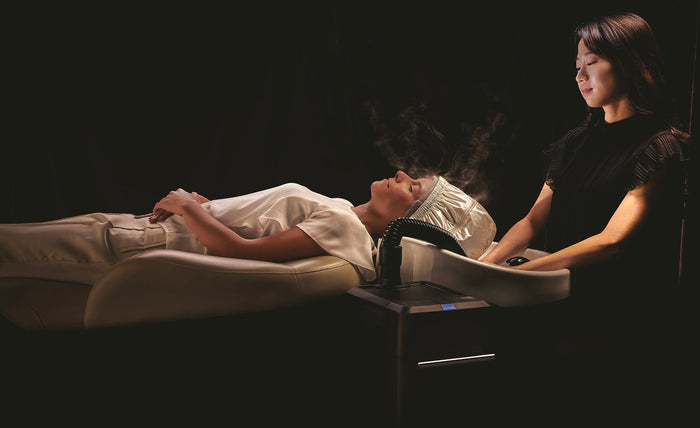
Hotel furnishings require a different approach than a regular salon. See what to choose for the reception, lounge, treatment areas, and storage.
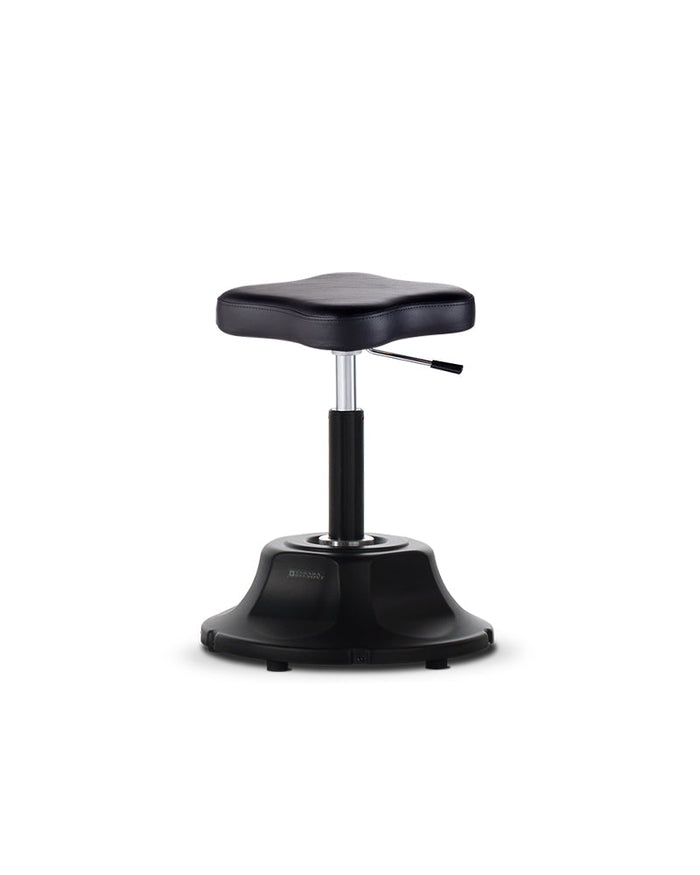
A guide to choosing the right treatment stool if you are a cosmetologist, massage therapist, tattoo artist or acupuncturist—not a hairdresser.
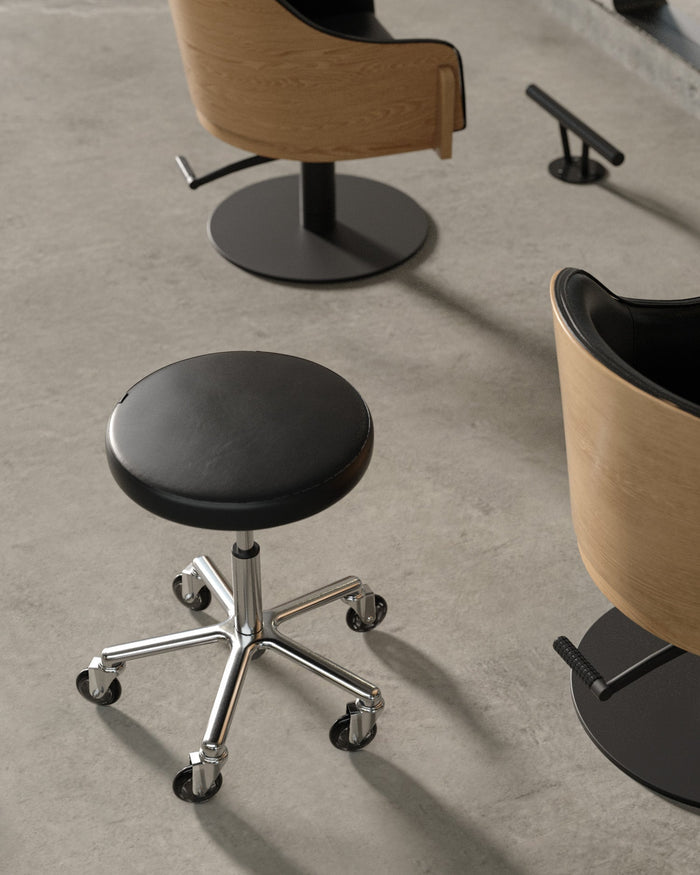
If you’ve ever searched for “hairdressing chairs” and ended up looking at a chair for the client instead of yourself, you’re not alone. It’s one of the most common points of confusion in the industry, and we’re clearing it up once and for all. In short: there are two types of chairs in a salon. There’s the chair you sit on. And there’s the chair your client sits on. It sounds simple. But in practice, the terms are often used interchangeably, making it difficult to find the right one when you shop online.
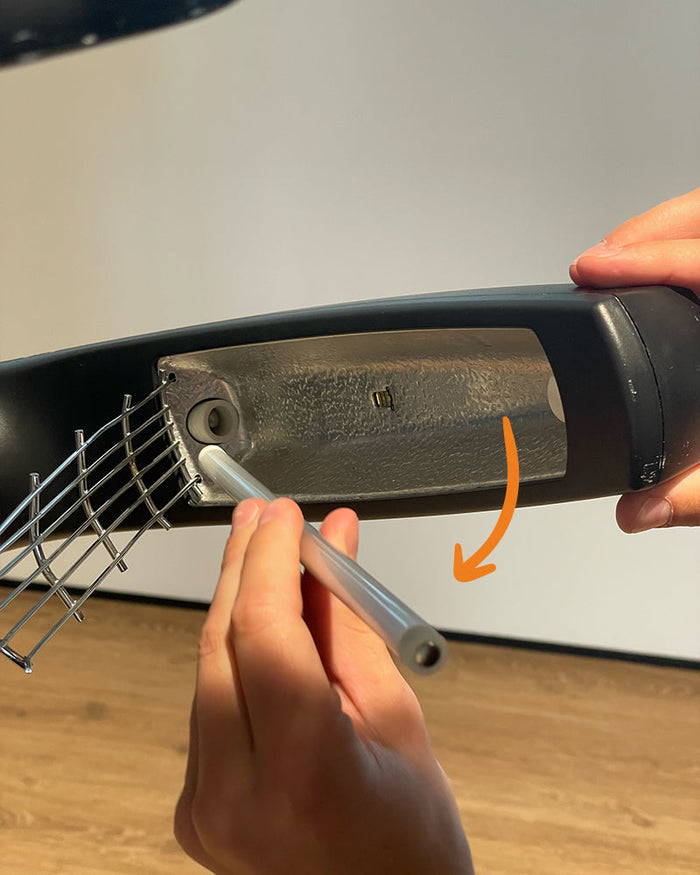
The heating tubes in your HairMaster are the parts that wear during use and can eventually burn out. Fortunately, replacing them is easy. Safety first: Turn off your HairMaster, unplug it, and let the head cool down completely. The heating tube is made of glass, so handle it carefully.
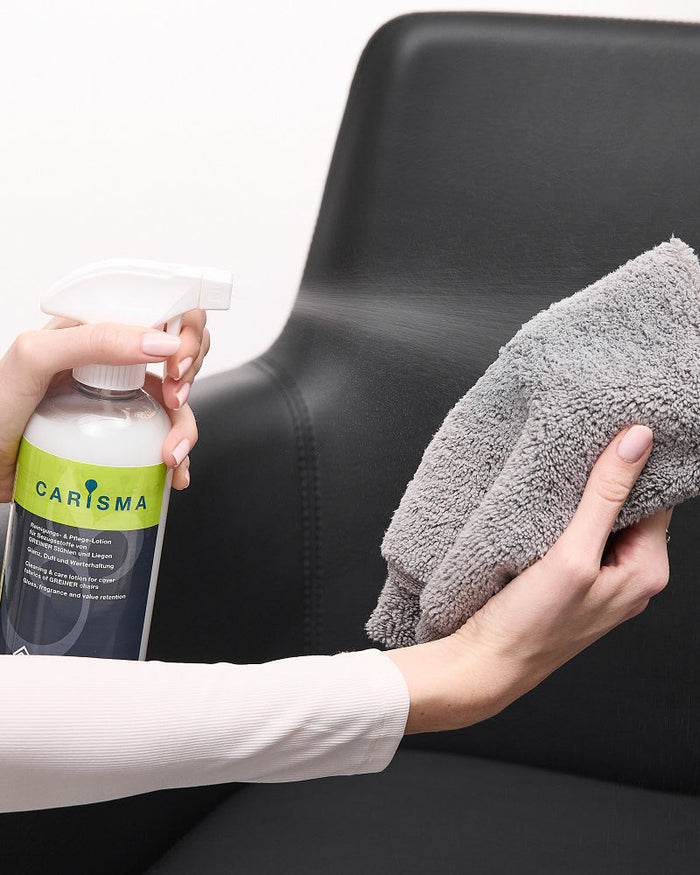
Want your chairs to look new for longer, feel clean for every client, and avoid stiff upholstery? Let’s find a simple routine that works in a busy day. Most “leather chairs” in salons are actually vegan leather, also known as faux leather. It’s durable, dirt-repellent, and stays looking great—especially when you care for it properly.