Related products

White extraction arm
£324

Black extraction arm
£324


- Discontinued model
- DEMO


What are you looking for?
Popular searches:


The two terms are often confused, but they solve different problems.
General air circulation that supplies fresh air and removes stale air, often through a fixed system in the ceiling. It creates a more comfortable indoor climate, but does not necessarily remove vapors or particles where they arise.
A targeted solution where an extraction arm is placed right where the vapor or odor arises. It removes chemical vapors and particles before they have time to spread throughout the room, significantly reducing both your and your customer's exposure.
They do not solve the same problem. In a salon, I would always recommend both.
If you have employees, local extraction is not just a good idea—it is a legal requirement from the Danish Working Environment Authority as soon as you work with chemicals. The rules apply specifically to bleaching, perming, hair coloring, and similar processes—in other words, virtually everything a salon does every day.
There is also a specific figure to keep in mind: each extraction point must be able to remove at least 70 cubic meters of air per hour, while the Danish Working Environment Authority recommends 100 cubic meters per hour as the standard. As a rule of thumb, you should plan for one extraction point for every two workstations and one for every two wash stations, so no one has to work without one.
If you mix color and chemicals in a fixed location, the mixing cabinet should also have its own extraction, or you can place an extraction arm right where you mix. And no, opening a window is not enough on its own. General airing can supplement local extraction, but it cannot replace it.
If you are self-employed and work entirely alone without employees, the requirement does not formally apply to you, but personally, I would never go without extraction if I were handling color or perms every day. Your body does not keep track of whether you were legally required to have it or not.
It is not just about getting rid of the smell. It actively protects you against allergies, respiratory irritation, and headaches, while customers immediately notice the difference a cleaner indoor climate makes.
Place the extraction as close to the source as possible—that is what determines whether it really works. Ideally, choose a model with noise reduction, as some systems can be louder than expected. Filters and hoses need to be cleaned or replaced regularly; otherwise, performance gradually declines without you noticing. See our selection of extraction solutions, or let us advise you on what is right for your salon.
Extraction is not just about avoiding bad odors. It is an investment in being able to work in the salon ten years from now without your health having suffered from something you could have prevented. If you have questions about extraction, ventilation, or the regulations that apply to your salon, contact me.
£324
£324
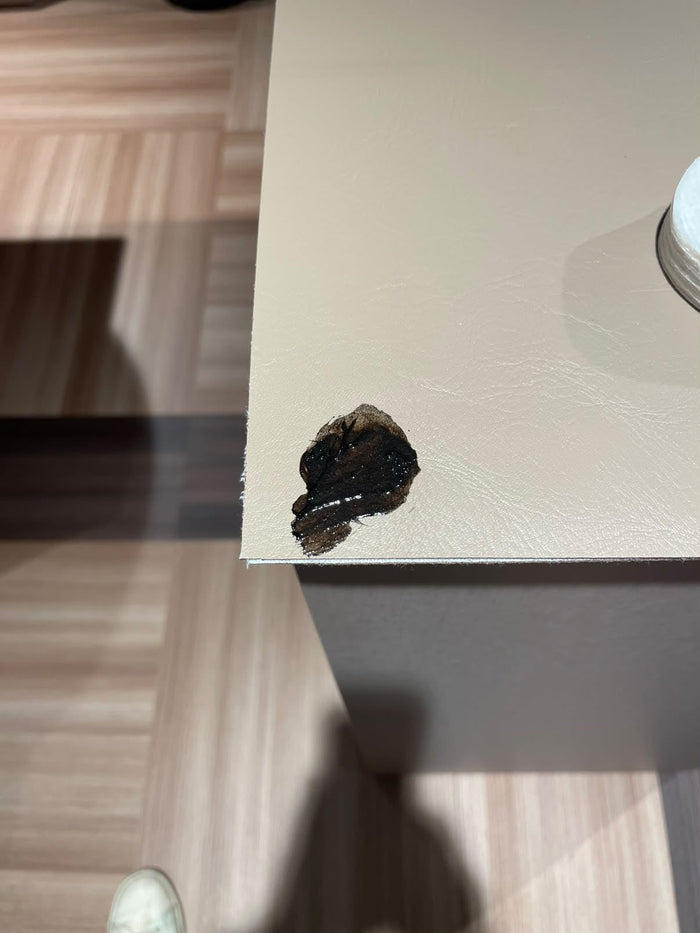
Got hair dye on the upholstery? See how to remove even a dried stain with bleach, and why the color of your upholstery matters more than you think.
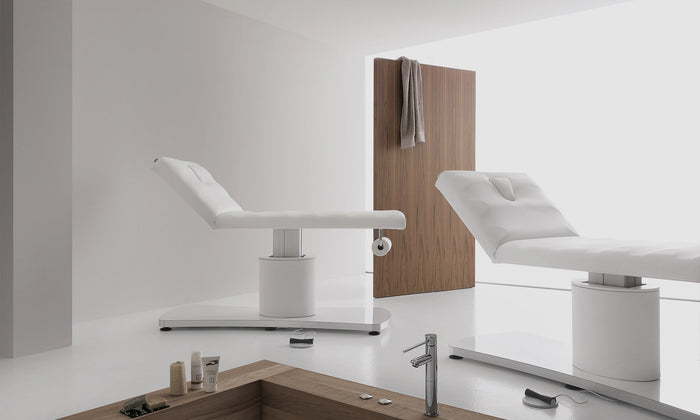
Beautician or cosmetologist? Explore the two routes into the profession in Denmark: the public vocational education and private cosmetologist courses, which schools you can choose from, and what you actually learn along the way.
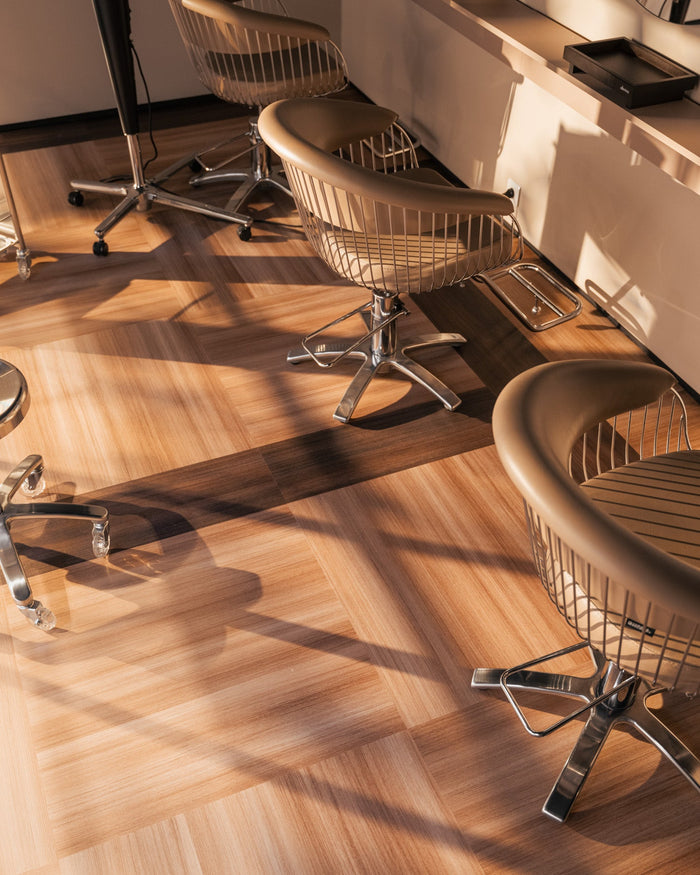
The complete list of equipment, items and gear a hair salon needs, from a salon stool and mirror to lighting, extraction and towel warmers.
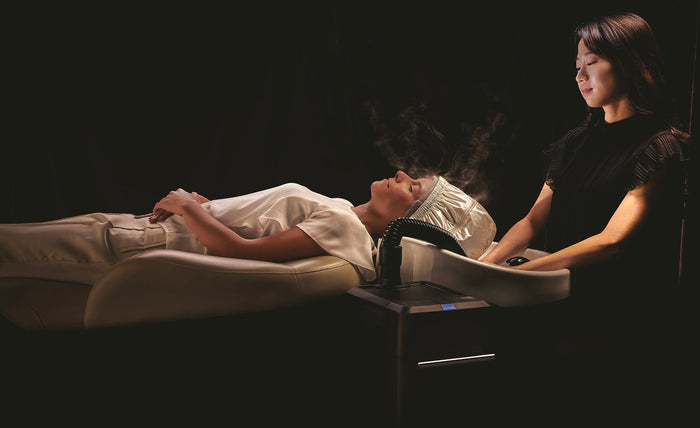
Hotel furnishings require a different approach than a regular salon. See what to choose for the reception, lounge, treatment areas, and storage.
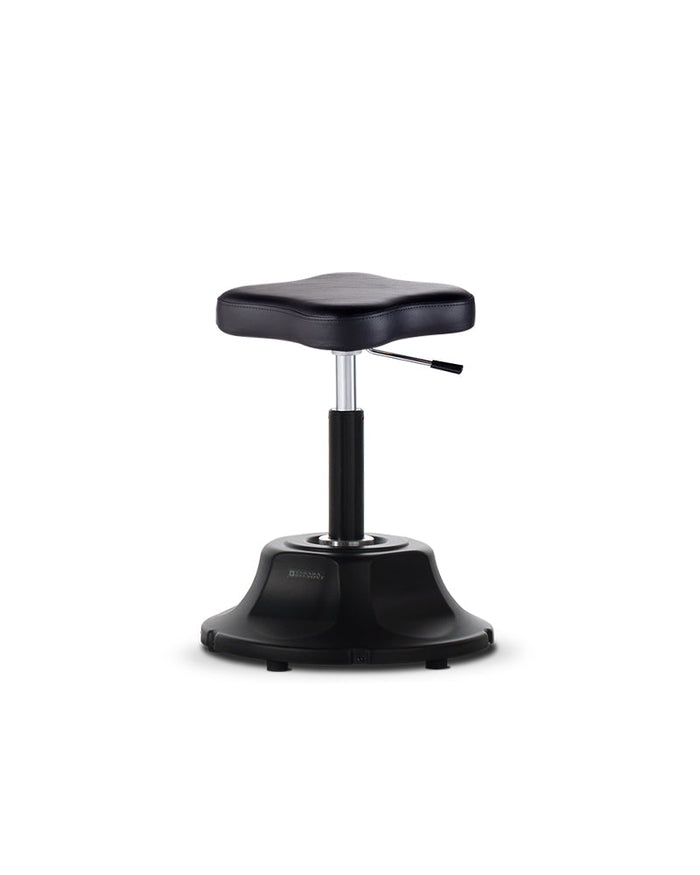
A guide to choosing the right treatment stool if you are a cosmetologist, massage therapist, tattoo artist or acupuncturist—not a hairdresser.
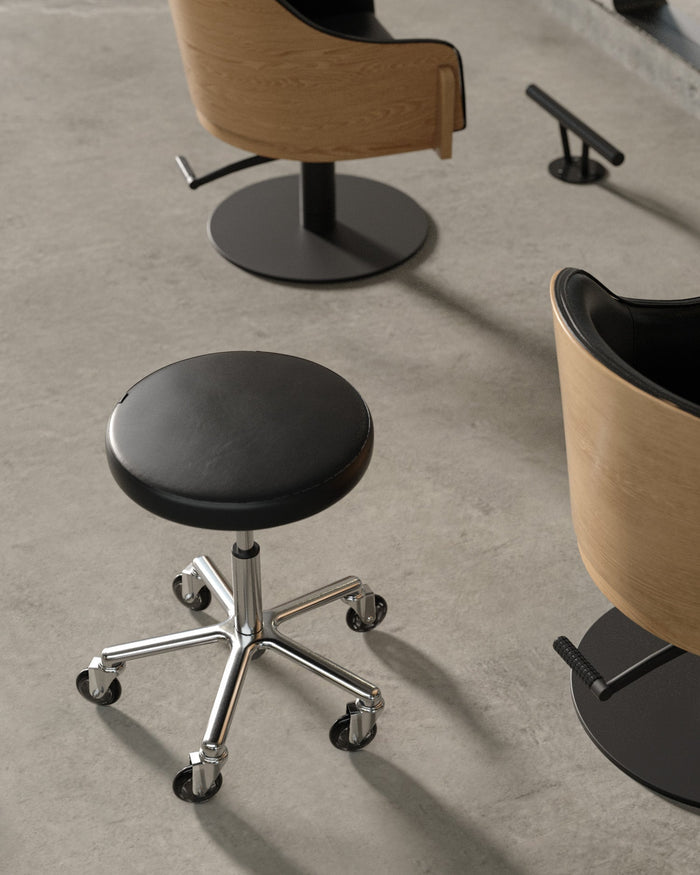
If you’ve ever searched for “hairdressing chairs” and ended up looking at a chair for the client instead of yourself, you’re not alone. It’s one of the most common points of confusion in the industry, and we’re clearing it up once and for all. In short: there are two types of chairs in a salon. There’s the chair you sit on. And there’s the chair your client sits on. It sounds simple. But in practice, the terms are often used interchangeably, making it difficult to find the right one when you shop online.
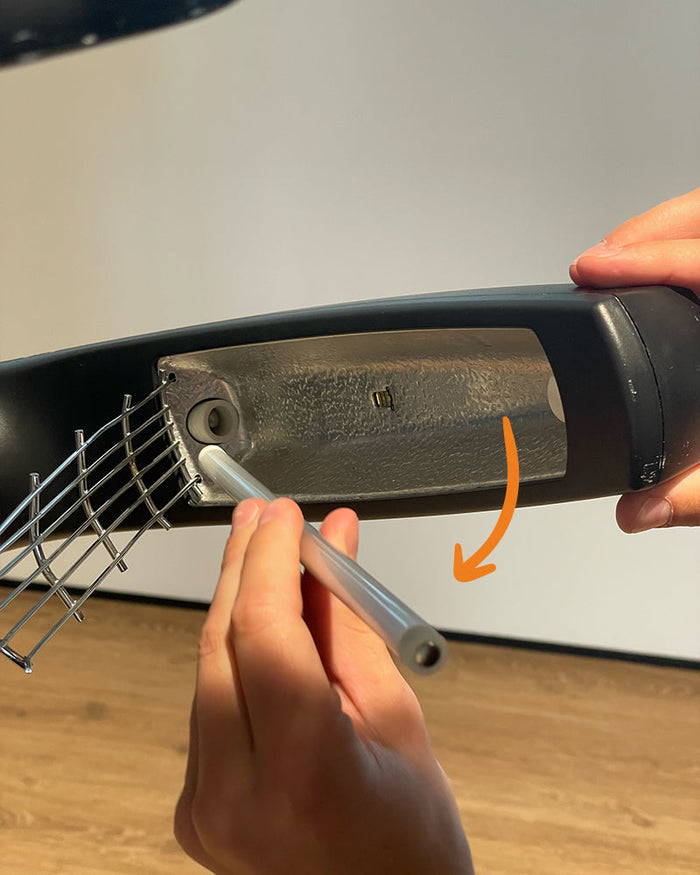
The heating tubes in your HairMaster are the parts that wear during use and can eventually burn out. Fortunately, replacing them is easy. Safety first: Turn off your HairMaster, unplug it, and let the head cool down completely. The heating tube is made of glass, so handle it carefully.
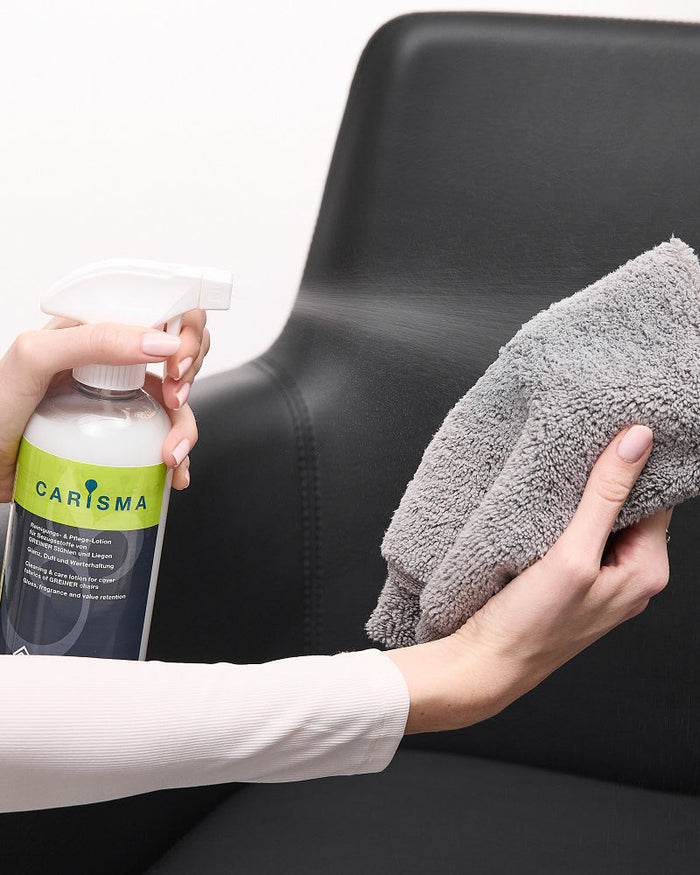
Want your chairs to look new for longer, feel clean for every client, and avoid stiff upholstery? Let’s find a simple routine that works in a busy day. Most “leather chairs” in salons are actually vegan leather, also known as faux leather. It’s durable, dirt-repellent, and stays looking great—especially when you care for it properly.

Hair care is part of your interior, not just the shelf. See how fragrance, branding, and consistency across your range shape the customer experience.

Lighting, also known as hairdresser lighting, is not a minor consideration in a hair salon. Read on to learn everything about lighting for salons
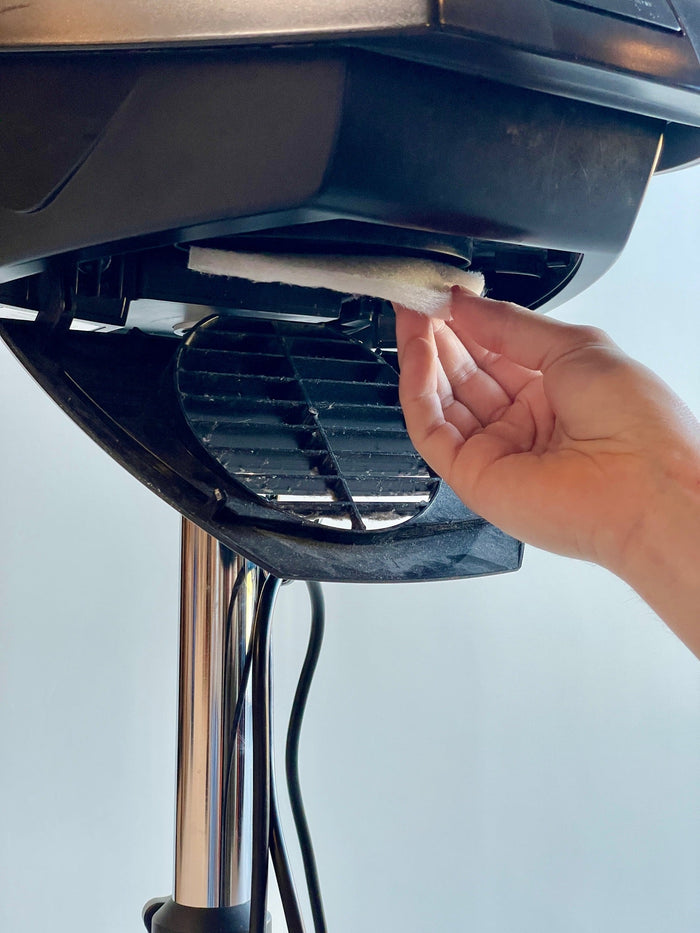
Does your HairMaster need a new filter? Here you get a short and clear guide with pictures, so you can easily replace the filter in your HairMaster
A list of partners who can help with flooring, curtains, signs, painting, and accounting for your salon.